Last updated November 23, 2026
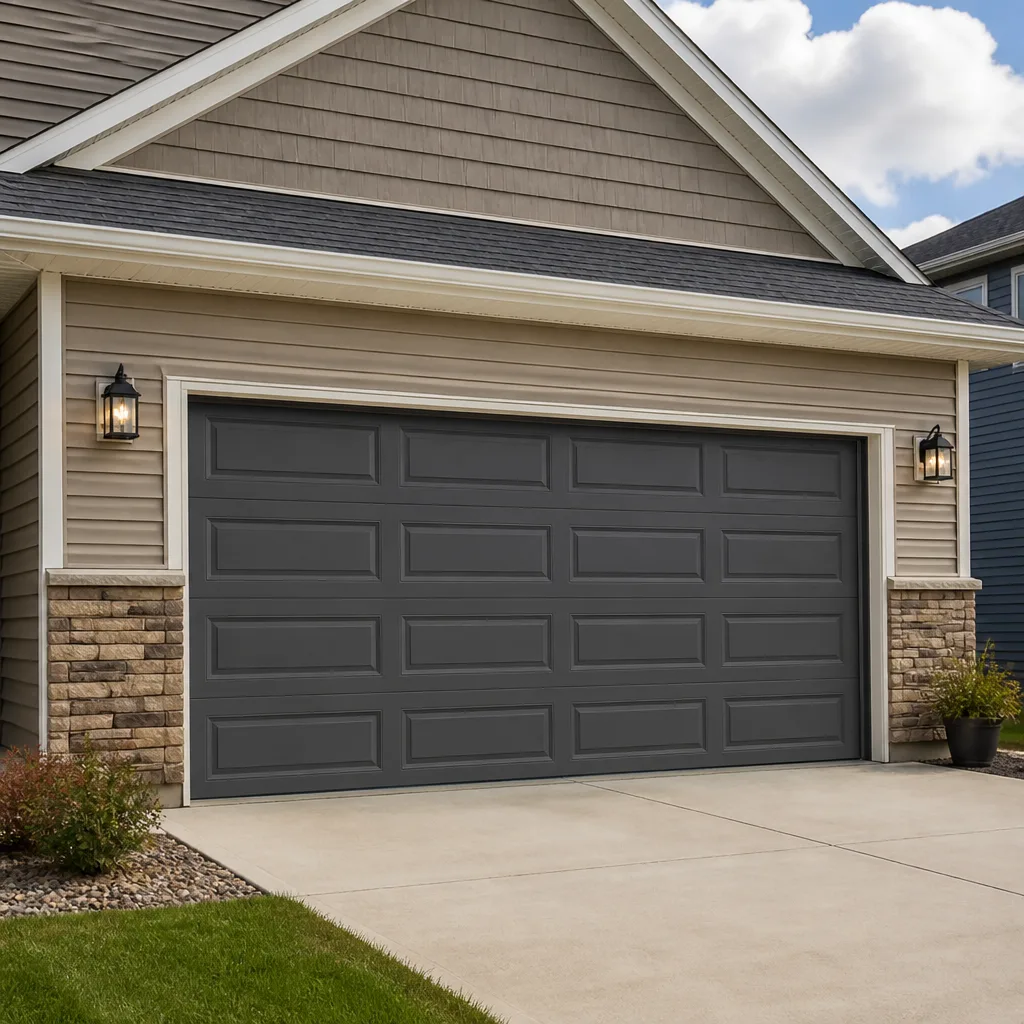 Raised-panel steel
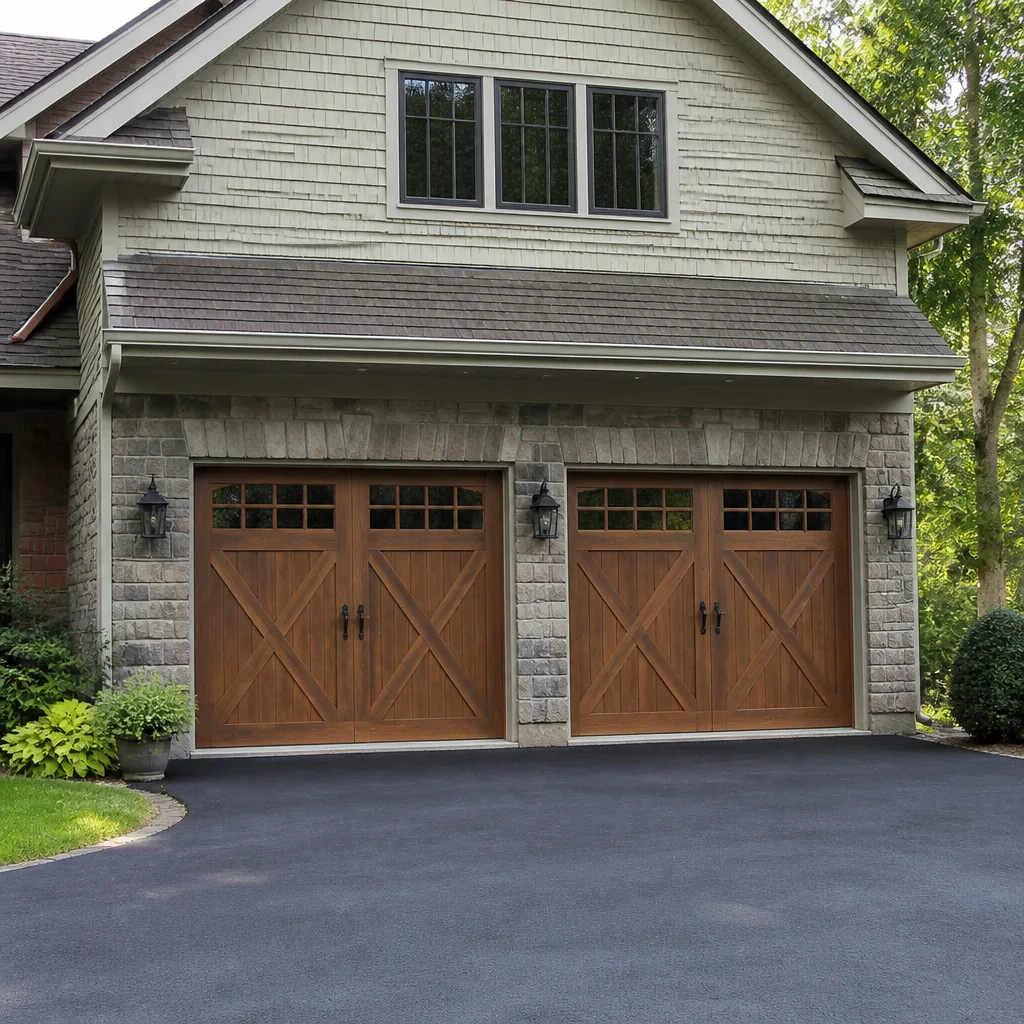 Carriage house
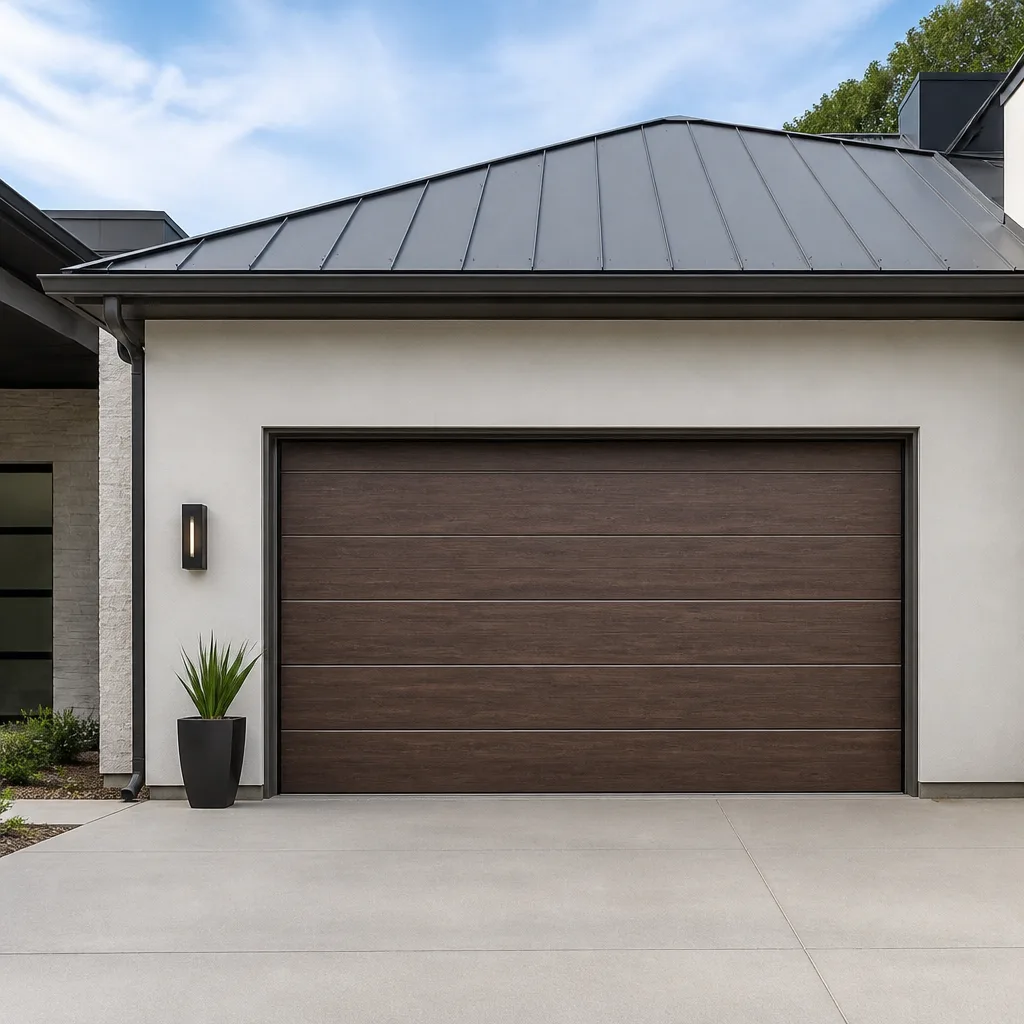 Modern flush
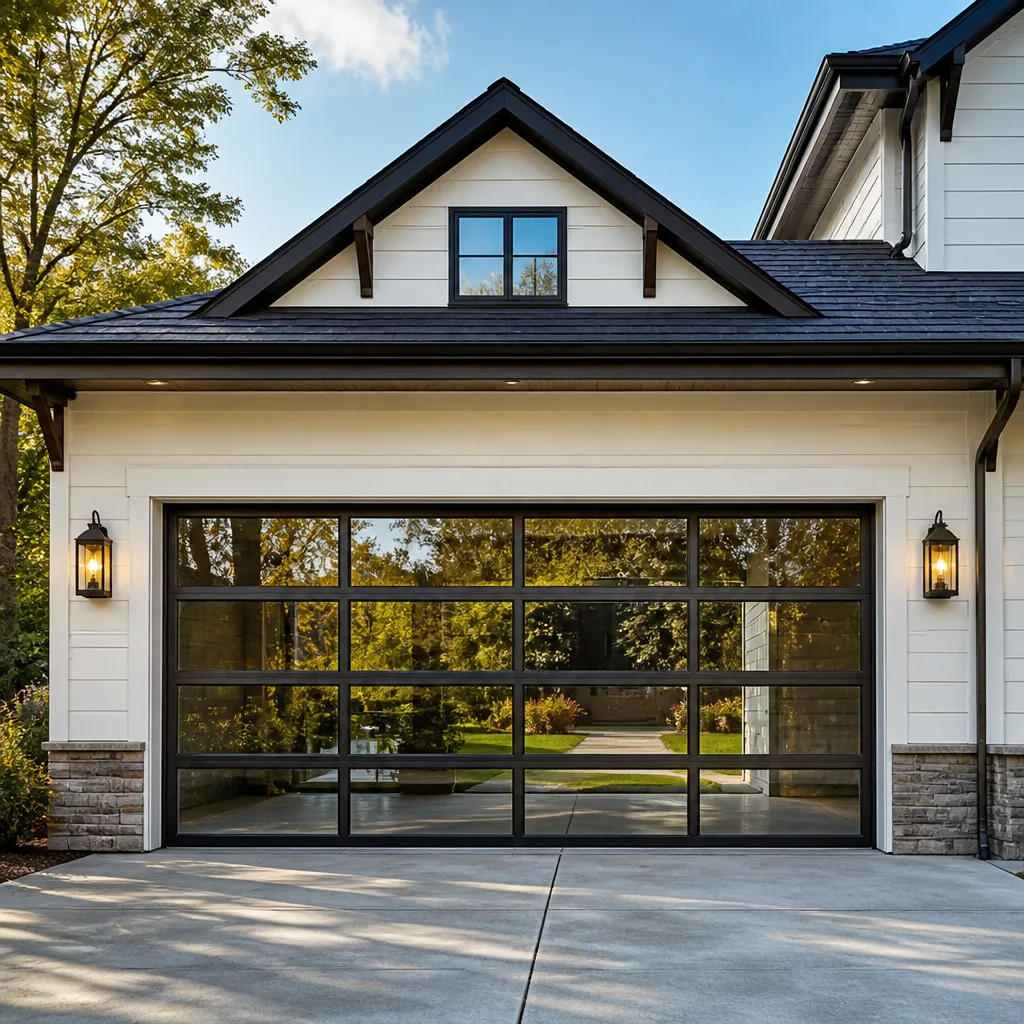 Full-view glass
 LiftMaster openers
 Chamberlain openers
Full 25-point door and opener safety check with every visit - springs, cables, rollers, tracks, and your LiftMaster or Chamberlain opener included
You get a price before we start. It does not change when the pro arrives.
Get your free estimateGarage Door Permits, Codes & Inspections in North Miami, FL: What You Need to Know
Most North Miami homeowners think about permits only when a letter arrives or a closing date gets close. That order is backwards. A garage door replacement done without proper permitting can surface as an open permit during a title search and stall a home sale, or leave a wind-damage insurance claim in a difficult spot because the door was never inspected for Florida Building Code compliance. The rules in North Miami are specific, they’re enforced, and they’re tied to how your home is insured. This guide walks through exactly which garage door work triggers a permit, how Miami-Dade’s product approval system works in practice, what an inspector actually checks, and where the responsibility sits when something gets skipped.
Quick Answer
In North Miami, a full garage door replacement and any new door installation require a building permit under the Florida Building Code, while routine repairs like spring swaps, cable replacement, roller service, and opener repair generally do not. The door you install also has to carry a valid Miami-Dade product approval (a NOA) for the wind zone where your home sits. Opener installation alone usually doesn’t require a permit, but the door it moves still has to meet code. Always confirm with the City of North Miami Building Department before work begins, because the final call sits with your local building official.
Styles & brands we work with
- Raised-panel steel
- Carriage house
- Modern flush
- Full-view glass
- LiftMaster openers
- Chamberlain openers
Table of Contents
- What Garage Door Work Requires a Permit in North Miami?
- Miami-Dade Product Approval (NOA): Why a Legal Door Can Still Fail
- What Actually Happens During a Garage Door Inspection
- What Unpermitted Work Costs You at Resale and in an Insurance Claim
- Who Pulls the Permit: Contractor or Homeowner?
- Repair or Replace: How the Permit Question Shapes the Decision
- Storm Season, Wind Load, and Why the Paper Trail Matters in North Miami
- The Permit Process, Step by Step
What Garage Door Work Requires a Permit in North Miami?
Replacing a garage door or installing a new one requires a permit in North Miami. Replacing a spring, cable, roller, hinge, panel section without structural change, or a broken opener typically does not. The dividing line is structural change versus component service. A permit is about the building envelope and its wind resistance. Swapping a torsion spring doesn’t change your home’s envelope. Changing the door does.
Here’s how the work usually breaks down in North Miami:
- Full door replacement: Permit required. The new door must meet wind-load requirements for the address and carry valid Miami-Dade product approval.
- New door installation on a new opening: Permit required, and often tied to a larger construction permit if the opening is being cut or widened.
- Spring replacement (torsion or extension): No permit. Safety-critical work that belongs with a trained technician – see our garage door spring repair service if a spring has failed.
- Opener installation or replacement: Usually no separate garage door permit, but confirm with the city. Some cases touch electrical rules if new wiring is run to a new location.
- Track, cable, roller, or hinge repair: No permit. Routine component work.
- Panel replacement that changes the door’s rated assembly: Permit likely required if the panel substitution changes the wind rating. Ask the building department before ordering panels.
That last item trips people up. A homeowner replaces a dented panel with a similar-looking one from a different manufacturer, and suddenly the assembly no longer matches its product approval. The door physically works. It legally doesn’t meet code. In North Miami, where wind ratings matter to insurance, that gap can matter later. For more on the repair side generally, our garage door repair page covers the common failure modes we work on.
Miami-Dade Product Approval (NOA) Why a Legal Door Can Still Fail
Miami-Dade County runs its own product approval system, typically referred to as a NOA – Notice of Acceptance. A garage door sold legally in Florida can still fail a North Miami inspection if it doesn’t carry a valid NOA for the wind zone where the home sits. This is the single most common misunderstanding we see. The door is real, it works, it’s sold in stores, and the inspector still writes a correction notice.
The reason is straightforward. South Florida’s wind zones are stricter than the rest of the state, and Miami-Dade maintains its own approval testing standards on top of the Florida Building Code. Manufacturers list which of their door models carry Miami-Dade approval for which wind zone and which opening sizes. Not every Clopay or Amarr model on the shelf meets those numbers for every North Miami address.
What this means in practice:
- A licensed installer orders the door with your address in hand, matching the model to the wind zone and the opening dimensions.
- The NOA documentation arrives with the door and gets submitted with the permit application.
- The inspector verifies the installed door matches the approved model – not a visually similar substitute.
- If the door on the truck doesn’t match the NOA, the inspection fails and the door has to be swapped or re-permitted.
The lesson: the NOA drives the door selection, not the other way around. Homeowners in North Miami who pick a door on looks first and check approvals later often end up with either a delay or a return. Brands like Clopay and Amarr both publish approval documentation for their models, and a competent installer reads it before quoting. If you’re planning new-door work, our North Miami Garage Door Repair Pros team can walk through which door lines fit your address’s requirements.
What Actually Happens During a Garage Door Inspection
A garage door inspection in North Miami is a code compliance check, not a mechanical service call. The inspector is verifying that what was permitted was what got installed, and that the installed door matches its product approval and wind rating. They aren’t there to test whether the opener beeps or the rollers squeak.
What the inspector typically checks, in order:
- Permit and plans match the installed door. Model number, size, wind rating, and NOA documentation must correspond to the door standing in the opening.
- Door labeling. Approved doors carry a label or marking matching the product approval. A missing or obscured label is a common correction.
- Anchoring and fasteners. The door’s structural attachment to the framing – track brackets, jamb attachments, header attachments – at the specified embedment and spacing.
- Reinforcement. If the approval specifies struts or reinforcement for the opening, those have to be present and correctly placed.
- Clearances and function. The door runs fully open and closed without binding, and the reverse and safety features work.
- Fire separation where required. If the garage is attached and shares a wall, the door assembly and its rating may come into play.
The usual failures are documentation and substitution, not installation quality. A door that physically operates well can still fail because the label doesn’t match the permit, or because the installer used a model with the right look and the wrong approval. In North Miami, we see both. On the mechanical side, our garage door opener repair service covers the safety feature checks homeowners often confuse with inspection items.
What Unpermitted Work Costs You at Resale and in an Insurance Claim
Unpermitted garage door work shows up in two places homeowners don’t expect: the title search at closing and the claims adjuster’s file. A title search reveals open or missing permits, and a buyer’s lender or inspector can flag the door as a code compliance issue. The closing can stall until the work is either re-permitted and inspected or documented against the code in force at the time.
The insurance side is quieter but heavier. Homeowner’s policies are written against the home’s condition and compliance. When a wind event damages a door that was never permitted or inspected for Florida Building Code compliance, the carrier can question coverage tied to that component. The questions an adjuster may raise:
- Was the door permitted and inspected for the wind zone it sits in?
- Does the installed door match its product approval?
- Were the anchors and reinforcement installed as specified?
If any answer is unclear, the claim can be reduced, delayed, or disputed for that portion. We’re not an insurer and we don’t make coverage calls – we can work with your insurer if documentation is needed. But the pattern is real: the paper trail is what protects you. A homeowner who paid cash for a quick unpermitted door replacement in North Miami saves a modest permit cost and takes on a much larger risk to their closing timeline and their claims position.
The other hidden cost is the fix. Bringing unpermitted work into compliance usually means re-permitting the existing installation, having it inspected, and correcting whatever the inspector requires – often anchoring, labeling, or in the worst case a door swap if the model lacks valid approval. None of that is cheap when it’s remedial.
Who Pulls the Permit Contractor or Homeowner?
In Florida, the licensed contractor pulling the permit holds legal responsibility for the work. A homeowner can pull a permit as an owner-builder in some circumstances, but that transfers the compliance responsibility to the homeowner and typically limits what can be reimbursed or corrected if something goes wrong. For garage door replacement in North Miami, the cleaner path is a licensed contractor pulling the permit in their own name.
The liability split matters when a contractor skips the permit:
- Contractor pulls and skips: The liability usually sits with the contractor for the unpermitted work, but the homeowner still owns the problem at resale and on a claim. Recovery can mean legal action.
- Homeowner pulls as owner-builder: The homeowner owns the compliance outcome entirely, including inspection corrections and future disclosure obligations.
- Handyman work with no permit: Neither party holds a permit, the work is invisible to the city, and the compliance exposure is fully on the homeowner.
Ask any contractor one question before signing: “Are you pulling the permit in your license, and will you provide the NOA and inspection sign-off?” A legitimate installer says yes and shows you the sequence. An installer who deflects is telling you something. If you want a second opinion on an existing installation before you authorize work, our team can review what’s installed and what’s documented.
Repair or Replace: How the Permit Question Shapes the Decision
A repair that fixes a working door usually avoids permitting entirely. A replacement brings permitting, product approval, and inspection into play. That difference should factor into the decision, but it shouldn’t be the deciding factor. A structurally sound door with a failed spring is a repair. A door with failing panels, damaged tracks, and an opener at the end of its life is a replacement, and the permit cost is a small part of that job.
Where homeowners get stuck is on the borderline case – a door that’s cosmetically worn but mechanically fine, or a door that looks salvageable but no longer has valid approval. In those cases, asking the building department what a given change triggers is worth the phone call before you order anything.
A few guidelines we give when the question comes up:
- One failed component on an otherwise healthy door: repair. No permit.
- Multiple failing components on a door with a valid approval and good structure: repair, sometimes a partial rebuild. Usually no permit.
- Approval gap, structural damage, or a door at the end of its service life: replace, permit included.
We repair first and replace only when the door tells us it’s time. That’s a service stance, not a permit position – the permit question is separate and gets answered by the city. For more on what a full replacement involves, our garage door repair page walks through the common scenarios.
Storm Season, Wind Load, and Why the Paper Trail Matters in North Miami
North Miami’s wind season raises the stakes on every garage door decision. A garage door is one of the largest openings in a home’s wind envelope, and its wind rating is part of how the structure is engineered to handle pressure changes during a storm. That rating isn’t a marketing number – it’s the number the door was tested to, and the number the inspector checks against the approval.
The climate here is mild in winter and hot and wet through summer, which is relevant to the door itself in a couple of ways. Heat and humidity affect lubrication and steel expansion, so annual adjustment keeps a door functioning correctly. But the storm question is the one that touches permits, insurance, and resale together. A door installed to the correct wind rating, with the correct anchors and reinforcement, is the version that behaves the way the code assumed. A door installed without those things may function fine in normal use and still fail the load it was rated for.
The best time to verify your door’s documentation is well before a storm, not after one. If you don’t know your door’s NOA status or wind rating, we can help you find out. Our North Miami Garage Door Repair Pros team works on LiftMaster, Chamberlain, Genie, Clopay, Amarr, Wayne Dalton, Craftsman, and Raynor equipment, and we read the documentation the same way the city does.
The Permit Process, Step by Step
Here’s how a permitted garage door replacement typically goes in North Miami. Exact steps may vary by permit type and address, so confirm specifics with the City of North Miami Building Department.
- Confirm what’s required. Call or check the city’s building department online portal to verify the permit type for a garage door replacement at your address, and whether the door is in a wind zone requiring a specific approval.
- Select the door to match the approval, not the other way around. Your installer identifies models with valid NOA coverage for your wind zone and opening size, and confirms the documentation before ordering.
- Submit the permit application. The licensed contractor pulls the permit, submits the door specs and NOA documentation, and pays the fee. Permit fees are set by the city, so ask for the current fee schedule – we don’t quote them, the city does.
- Install the door. Installer follows the approved assembly – anchors, reinforcement, and struts as specified. Nothing gets substituted.
- Schedule the inspection. Once installed, the contractor calls for inspection. The city inspector verifies the door against the permit and approval and checks anchoring and function.
- Get the sign-off. The final inspection sign-off closes the permit. Keep the permit number, the inspection record, and the NOA documentation with your home’s records. Those documents are what you show a buyer, an inspector, or an adjuster.
The whole sequence usually adds a modest amount of time to a replacement. What it removes is the later risk. If any step feels unclear at your address, we’re happy to talk it through – a free estimate on the installation side includes helping you understand what the permit process looks like for your door.
Common Mistakes to Avoid
- Choosing the door by looks first. Wind rating and NOA coverage for your address come before color and style. A model with the wrong approval for your wind zone fails inspection even if it’s the one you wanted.
- Assuming a repair needs a permit, or that a replacement doesn’t. Both directions happen in North Miami. A spring swap is not a permitted job. A door replacement is. Get the answer from the city, not from a neighbor’s experience at a different address.
- Letting an unlicensed handyman install a replacement. Unpermitted work at resale and in an insurance claim is the homeowner’s problem, no matter who held the drill.
- Reusing hardware from the old door on the new assembly. Approved installations call for specific anchors and reinforcement. Reused brackets can fail the inspection or the wind load the door was tested for.
- Throwing away the paperwork. Keep the permit, inspection sign-off, and NOA documentation. The next owner, adjuster, or inspector will ask for them, and replacement copies are harder to obtain than originals.
- Panel substitution without checking. Matching a damaged panel with a similar-looking one from a different manufacturer can break the assembly’s approval. Confirm before ordering.
- Waiting until closing to check for open permits. A title search will find it. Better to find it yourself, months in advance, than a week before a closing.
See the difference
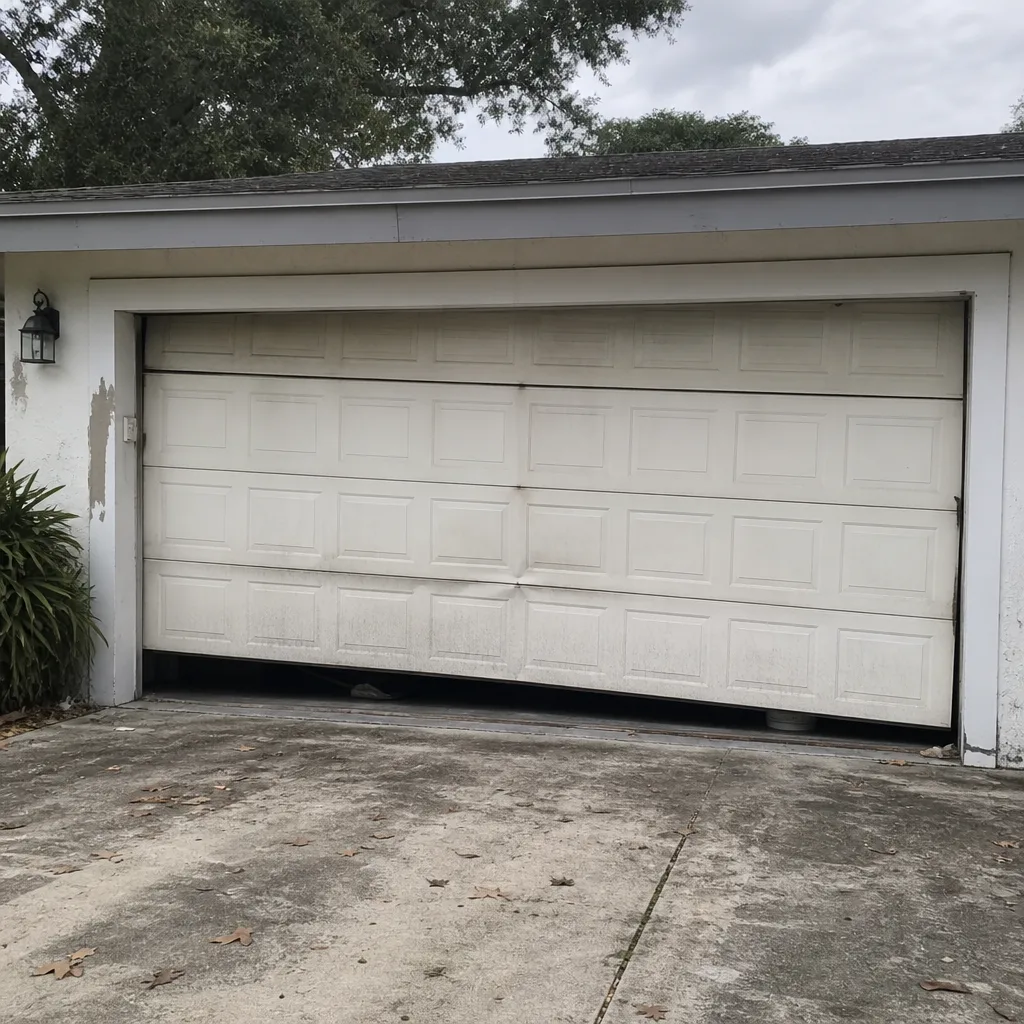 Before
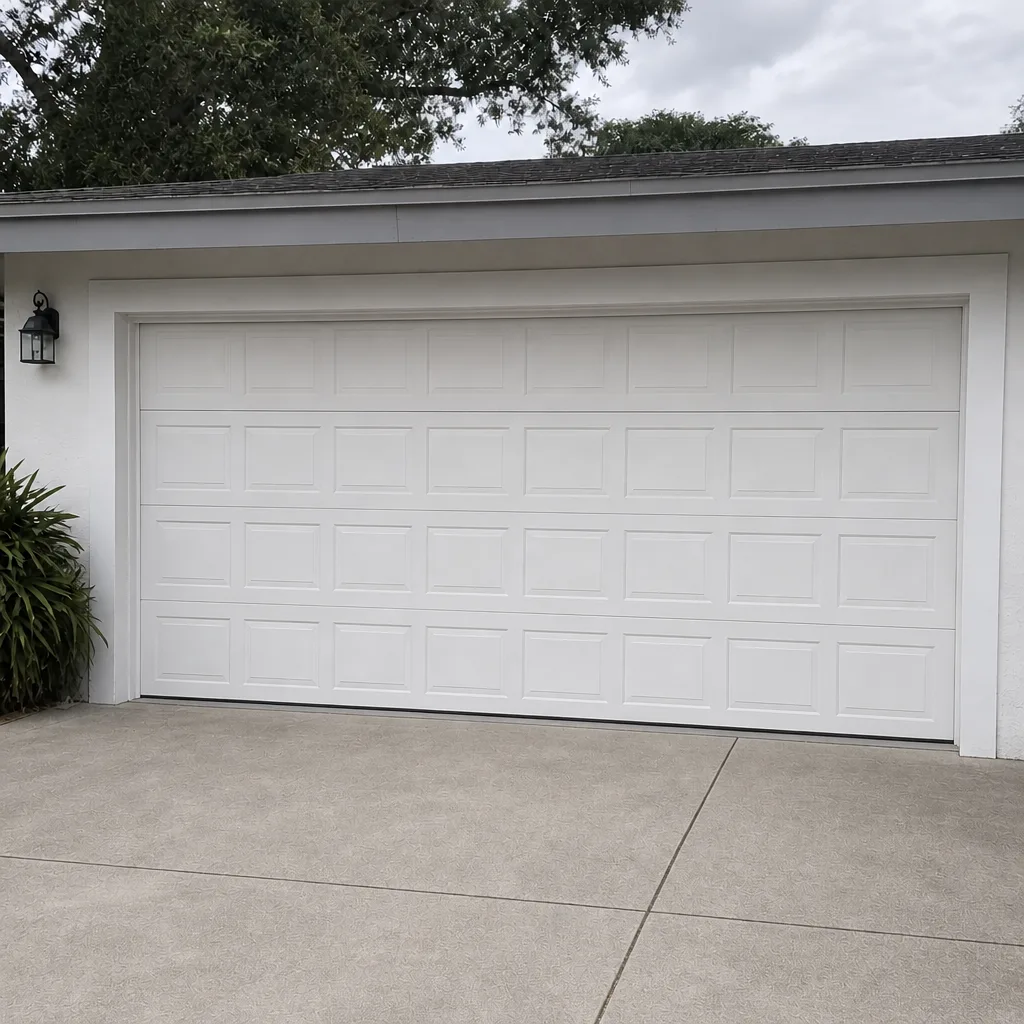 After
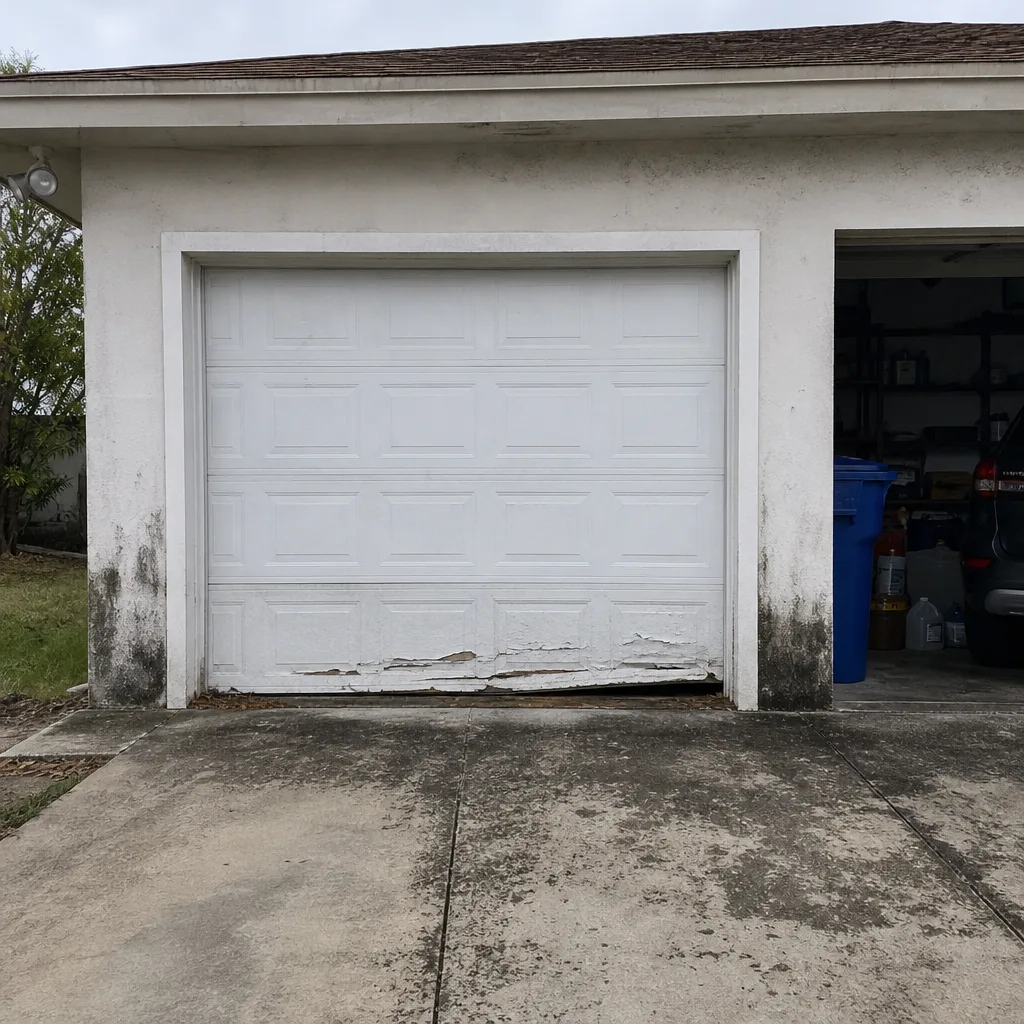 Before
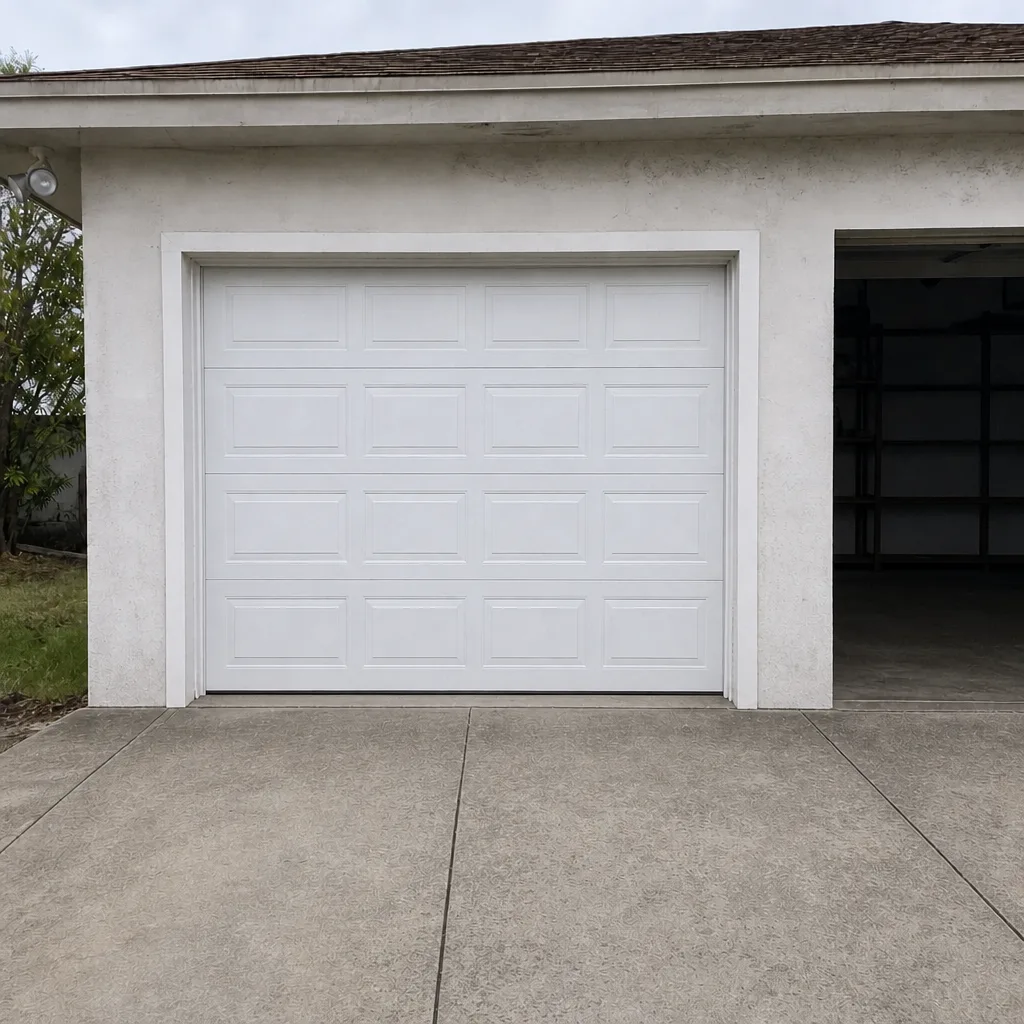 After
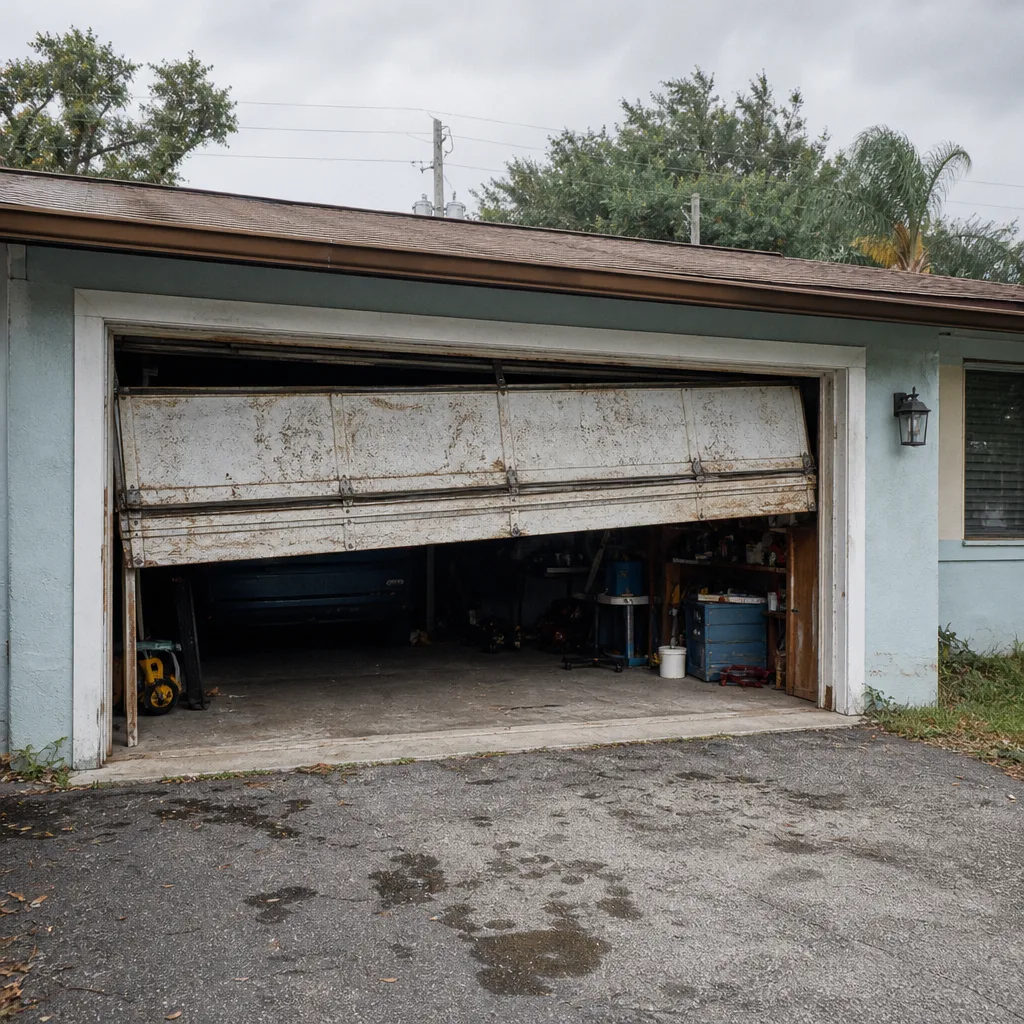 Before
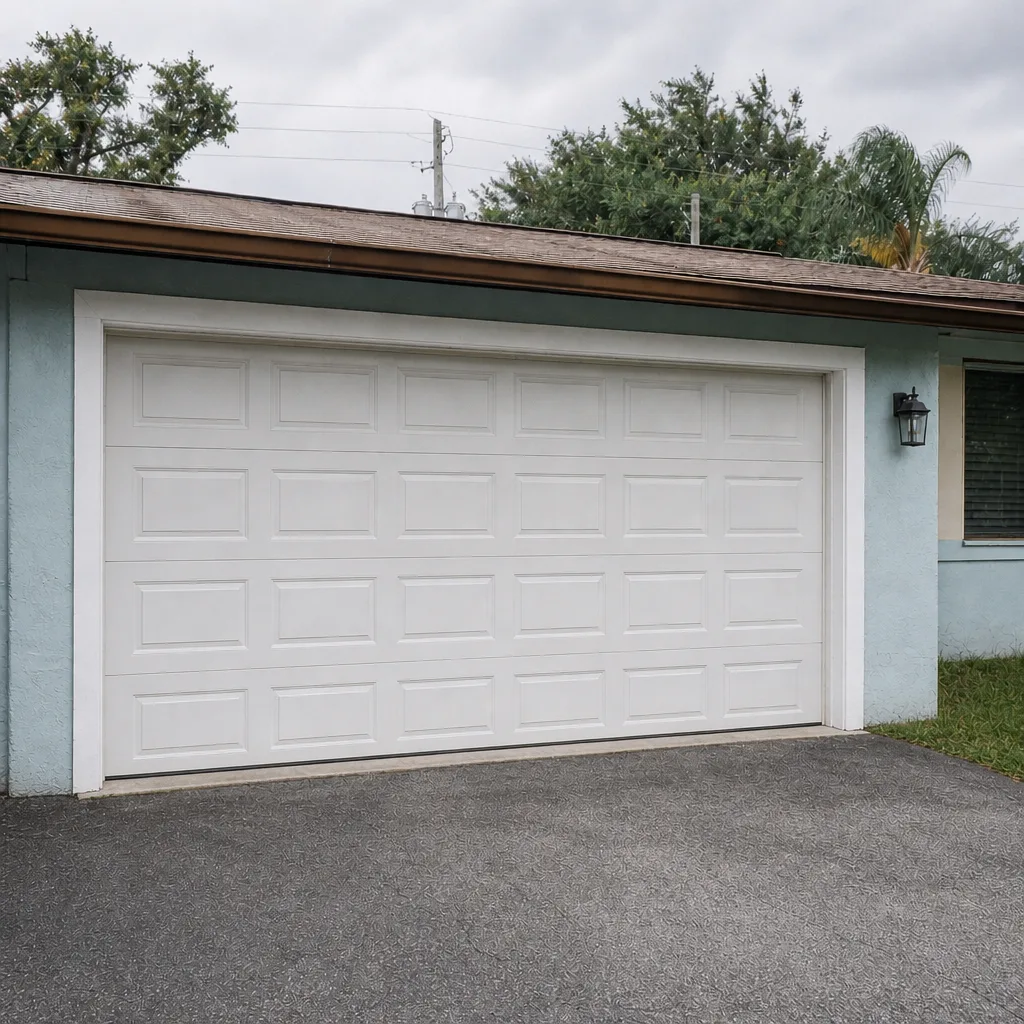 After
When to Call a Professional
A few garage door situations clearly belong with a professional rather than a homeowner. A broken torsion spring or a snapped cable is the highest-tension, highest-risk component in the entire system – those don’t belong in a homeowner’s hands. A door off its track, a door that won’t close fully, or an opener that’s reversing at the wrong point all warrant a trained inspection, especially in North Miami where the door’s rated function is part of the home’s wind envelope. Any replacement situation involving permitting and product approval is a professional job by definition. And any existing installation with unclear documentation – a door you inherited, a door with no labels or permits on record – is worth having reviewed before you make decisions about it. North Miami Garage Door Repair Pros offers free estimates in North Miami – call (888) 399-4139 to schedule one.
Frequently Asked Questions
Yes, a full garage door replacement requires a permit in North Miami. The door must meet the wind-load requirements for your address and carry valid Miami-Dade product approval. The licensed contractor typically pulls the permit and submits the door documentation with the application. Call (888) 399-4139 for a free estimate.
No, spring repair does not require a permit in North Miami. A spring replacement is component service, not a structural change to the building envelope. It is still high-tension safety-critical work that belongs with a trained technician. Call (888) 399-4139 for a free estimate.
A NOA is a Notice of Acceptance – Miami-Dade County’s product approval document for building components. A garage door installed in North Miami needs a valid NOA for the wind zone where the home sits. A door sold legally elsewhere in Florida may still lack the approval required for a given North Miami address. Call (888) 399-4139 for a free estimate.
It can. An insurance adjuster reviewing wind damage may ask whether the door was permitted, inspected, and compliant with the Florida Building Code for its wind zone. A door without documentation can complicate a claim for that component. We can work with your insurer on documentation, and we’re happy to review your door’s status. Call (888) 399-4139 for a free estimate.
In Florida, the licensed contractor pulling the permit holds the compliance responsibility. A homeowner can act as owner-builder in some cases, but that transfers the compliance obligation to the homeowner. For a North Miami garage door replacement, having the licensed contractor pull the permit keeps the responsibility with the party who performed the work. Call (888) 399-4139 for a free estimate.
It can. A title search often reveals open permits or missing inspections, and a buyer’s lender or inspector can flag the door as a compliance concern. A closing can be delayed until the work is brought into compliance or documented. Getting the permit handled correctly on the front end avoids the problem entirely. Call (888) 399-4139 for a free estimate.
The Bottom Line
Garage door permits in North Miami are not a formality. They’re the paper trail that ties your door to its wind rating, its product approval, and the Florida Building Code. Replacements need one. Routine repairs usually don’t. The door has to match its NOA for your address, the installer has to install the approved assembly, and the inspector has to sign off. A licensed contractor pulls the permit in their own name, and the homeowner keeps the permit, the inspection record, and the NOA documentation with the home. Skipping any of that shifts the risk to you – at resale, at claim time, and on the day the storm arrives.
Get a Free Estimate in North Miami
If your garage door is due for replacement, or if you’re not sure what’s installed or what’s documented behind it, we can help. North Miami Garage Door Repair Pros works on LiftMaster, Chamberlain, Genie, Clopay, Amarr, Wayne Dalton, Craftsman, and Raynor equipment, and we walk you through the permit and approval requirements for your specific address. Our technicians have up to 15 years of experience. Estimates are free, and the price is quoted and agreed before any work starts. Call (888) 399-4139 today.
Written by the team at North Miami Garage Door Repair Pros.