Last updated November 23, 2026
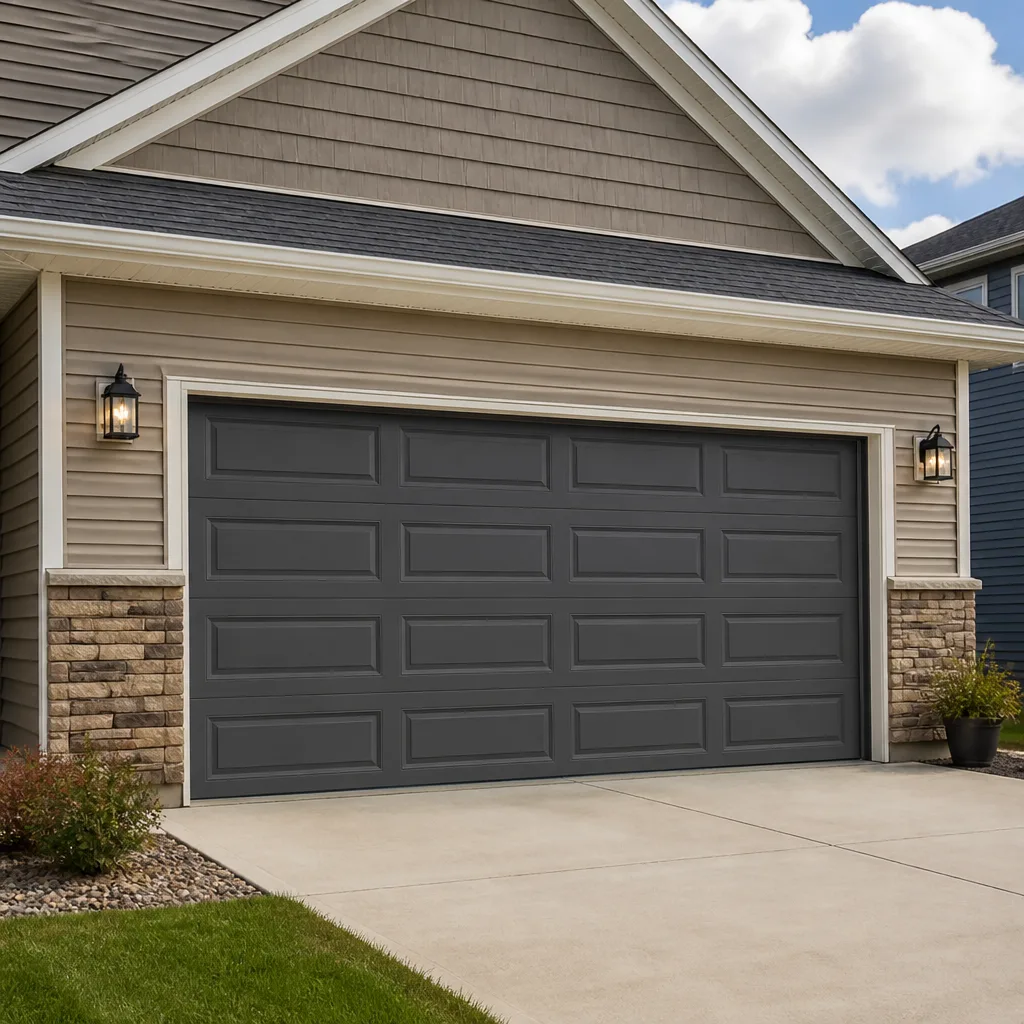 Raised-panel steel
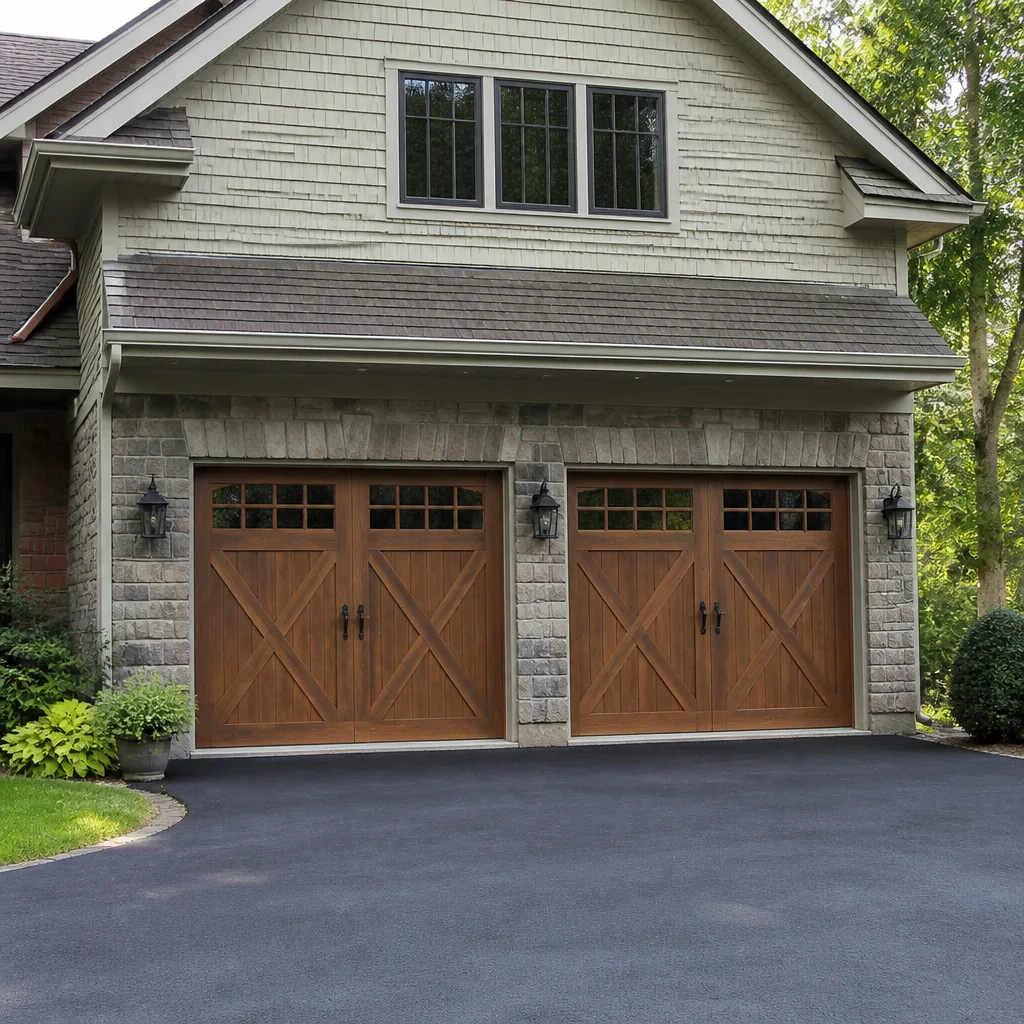 Carriage house
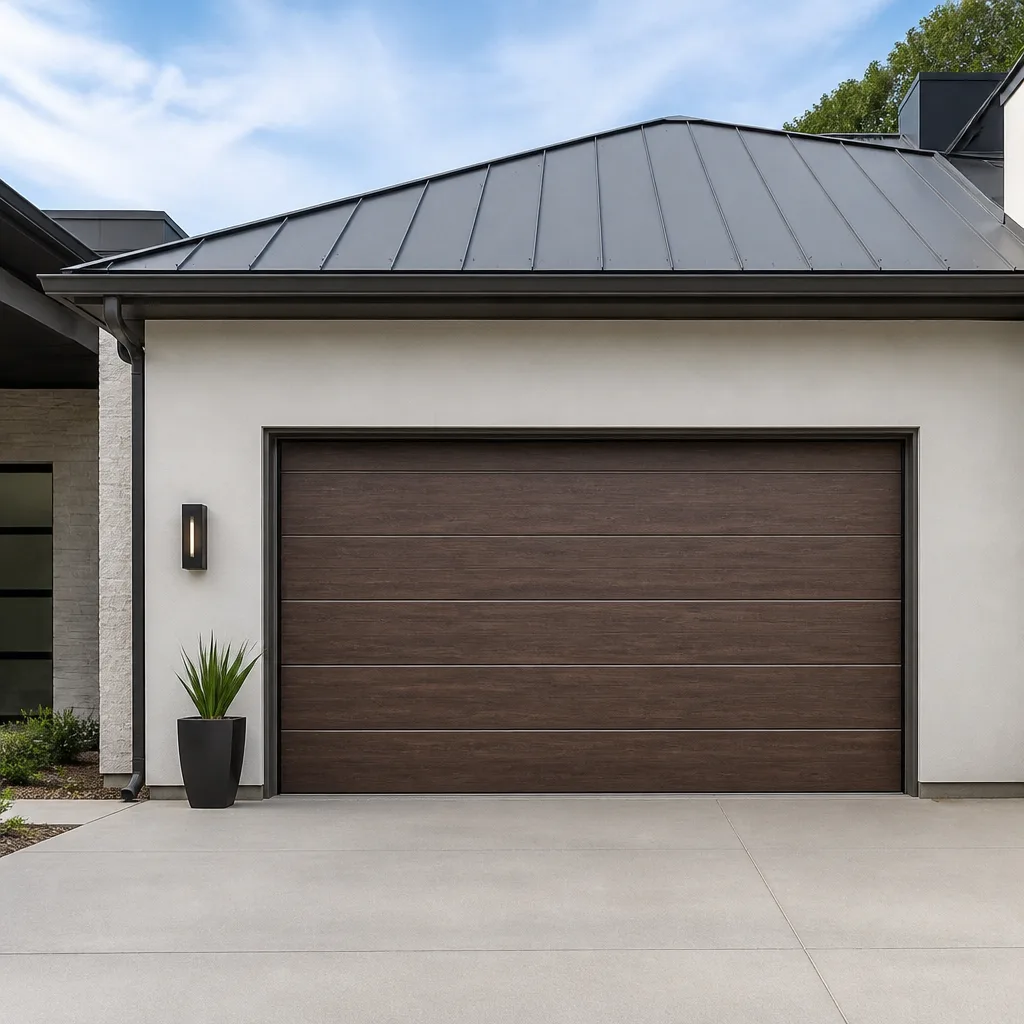 Modern flush
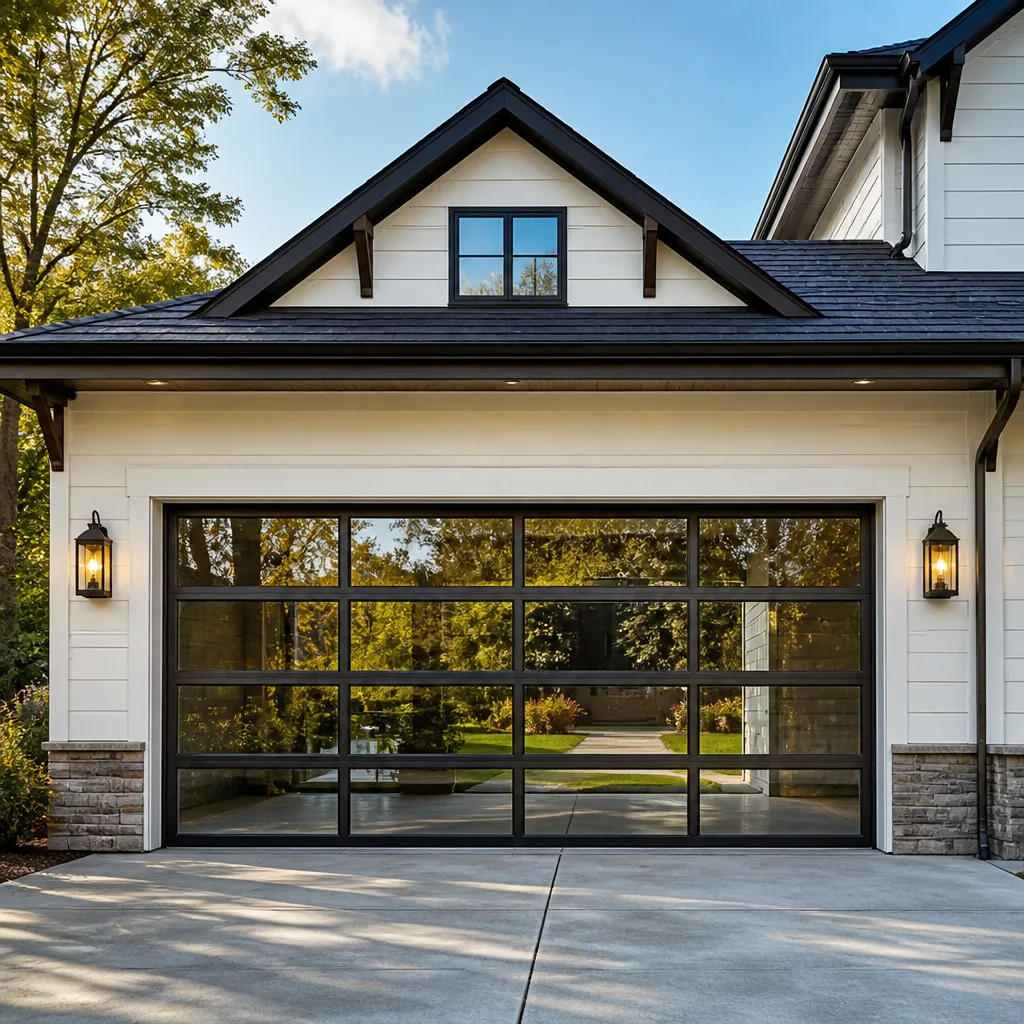 Full-view glass
 LiftMaster openers
 Chamberlain openers
Full 25-point door and opener safety check with every visit - springs, cables, rollers, tracks, and your LiftMaster or Chamberlain opener included
You get a price before we start. It does not change when the pro arrives.
Get your free estimateSeasonal Garage Door Care for North Miami: Year-Round Homeowner’s Guide
Most garage door maintenance calendars are written for places that get snow. They talk about freeze-thaw cycles, ice dams and salt on the roads. None of that happens here. In North Miami, the door on your house faces a completely different set of pressures: six months of storm-season humidity and wind-driven rain, then six months of intense sun that cooks panels and breaks down hardware coatings. Treating those two halves of the year the same way is the fastest route to a door that quits early. This guide walks through what actually matters month by month in North Miami, from the pre-hurricane checks in spring to the UV and lightning-season tasks that most homeowners skip entirely.
Quick Answer
Seasonal garage door care in North Miami means two distinct routines, not four. Before hurricane season (roughly April and May), inspect and tighten all hardware, test the door’s balance and reversal safety features, and replace any spring showing wear rather than risk a failure during a storm. During the dry season (December through May), focus on washing panels, touching up coatings, rinsing hardware near the coast, and checking surge protection on your opener. A quick visual check after every named storm rounds out the year.
Styles & brands we work with
- Raised-panel steel
- Carriage house
- Modern flush
- Full-view glass
- LiftMaster openers
- Chamberlain openers
Table of Contents
- Why North Miami’s Climate Calendar Doesn’t Match Standard Advice
- The Pre-Hurricane Season Checklist (April and May)
- Post-Storm Inspection: What to Check Even When Nothing Looks Broken
- Dry-Season UV and Coating Care (December through May)
- Humidity, Hardware and the Two-Mile Coast Rule
- Your Opener, Lightning Season and Surge Protection
- Month-by-Month Action Calendar
- Springs and Storm Season: When to Replace Before Failure
Why North Miami’s Climate Calendar Doesn’t Match Standard Advice
Garage door manufacturers write their maintenance guides around the climates where most of their product ships. That means cold winters, road salt and thermal movement between seasons. North Miami doesn’t operate on that rhythm. The temperature swing here is modest, but the humidity swing is enormous, and the sun exposure is relentless for most of the year.
In our experience, that produces two failure windows rather than four. The first runs June through November, when humidity stays high, rain arrives sideways, and wind-driven water finds every gap in weatherstripping and every loose fastener. The second runs December through May, when the air dries out and UV levels climb. That second window is when coatings degrade, plastic components yellow and crack, and wood or steel panels bake through their finish. A North Miami door that survives the wet months can still be slowly ruined by the dry ones if nobody’s watching.
There’s also a housing factor. Much of North Miami’s residential stock is single-story block construction with attached garages that get direct afternoon sun. That orientation accelerates panel fade and heats the garage interior more than a shaded or north-facing door would experience. If your garage door faces west or south, your seasonal care schedule should lean harder on UV protection than a neighbor’s door that faces the opposite way.
The point is simple. Seasonal care in North Miami isn’t about preparing for cold. It’s about preparing for storms and then protecting against the sun that follows them. Once you frame the year that way, the task list gets shorter and more useful.
The Pre-Hurricane Season Checklist (April and May)
April and May are your window to catch problems before storm season starts. This is the single most valuable maintenance block of the North Miami year, because a door that’s marginal in calm weather becomes a genuine hazard under wind load. Work through these items in order.
- Check door balance. Disconnect the opener and lift the door halfway by hand. It should hold there with little effort. If it drops or rises on its own, the spring tension is off and needs professional adjustment.
- Inspect springs for wear. Look for gaps in the coils, rust, or a door that feels heavier than it used to. A torsion spring near the end of its life often shows stress before it breaks.
- Torque hardware. Hinges, brackets and track bolts loosen over a year of vibration. Tighten anything that moves by hand, and check that the track is straight and plumb.
- Test the reversal safety feature. Place a small object in the door’s path and close it. The door should reverse on contact. Test the photo-eye sensors too by blocking them while the door closes.
- Inspect weatherstripping and seals. Look for gaps, cracking or separation at the bottom seal and the perimeter. That’s where wind-driven rain gets in.
- Clean and lubricate. Use a garage door lubricant on hinges, rollers and the spring, and wipe the tracks clean. Avoid grease, which collects grit.
- Check the manual release. Make sure the emergency release cord is intact and functional. If the opener fails during a storm, you’ll need it.
If something feels wrong during this checklist, don’t put it off until June. A loose bracket or a tired spring is far easier to deal with when the weather is calm. For anything involving springs or track alignment, that’s a job for a trained technician, not a weekend project.
Post-Storm Inspection: What to Check Even When Nothing Looks Broken
After a tropical storm or hurricane passes, most homeowners look at the door, see it’s still standing, and move on. That’s a mistake. Storm damage to garage doors is often invisible until it becomes a failure weeks later. Wind pressure flexes panels, forces water past seals, and shifts hardware in ways that don’t show up at a glance.
Here’s what to walk through after every named storm in North Miami.
- Look for panel dents or bowing. Even a shallow dent can compromise the structural integrity of a steel or aluminum panel, and a bowed panel throws the door out of alignment.
- Check the tracks. Run a hand along each track. If it’s bent, kinked or showing gaps from the frame, the rollers will bind and the opener will strain.
- Test the opener operation. Open and close the door fully. Listen for grinding, scraping or hesitation. Any of those signals post-storm damage to the track or hardware.
- Inspect for water intrusion. Look for rust starting on hinges or springs, and check inside the garage for dampness near the door opening. Humidity trapped after a storm accelerates corrosion.
- Verify the safety reversal still works. If the photo-eye sensors got knocked out of alignment by debris or vibration, the door may close on an obstruction.
If anything looks off, don’t run the door repeatedly to “see if it fixes itself.” A misaligned door that keeps cycling stresses the opener and can bring down a panel. More on when to call is further down.
This is also the moment to schedule a professional inspection for anything you’re unsure about. Our garage door repair service covers storm-related diagnostics and repairs, and getting ahead of a small issue after a storm is almost always cheaper than replacing a panel or opener motor later. Same-day and emergency service is available if the storm leaves you with a door that won’t open or close.
Dry-Season UV and Coating Care (December through May)
Once hurricane season ends, the North Miami sun takes over as the main threat. December through May is when the air dries out, UV levels stay high, and the finish on your garage door gets tested every single day. This is when you protect your investment.
Washing schedule. Clean your door panels monthly during the dry season. Use a mild soap and water solution, rinse thoroughly, and dry with a soft cloth. This removes the pollen, dust and airborne grime that trap UV and hold moisture against the finish. Skip the pressure washer, which can force water past seams and strip coatings.
Coating touch-up intervals. Check the finish on wood and steel doors every few months. Wood doors need re-staining or sealing more often in North Miami than in milder climates, and steel doors need touch-up paint on any spot where the factory coating has chipped or scratched. A tiny scratch left alone becomes a rust point by the next rainy season. For painted doors, do a full repaint when you see fading or chalkiness, which typically happens faster on south- and west-facing panels.
Plastic and rubber components. Weatherstripping, rollers and any plastic trim pieces degrade faster in intense UV. Check them for cracking or hardening during the dry season, and replace them before they fail during storm season.
If your door is an Amarr or Wayne Dalton steel model, check the panel seams and the bottom seal closely. Those are the spots where coatings wear fastest and moisture starts the corrosion cycle.
Humidity, Hardware and the Coastal Hardware Routine
South Florida humidity is hard on metal. Springs, hinges, rollers and track hardware all corrode faster when the air holds moisture for months at a time. If your home sits within about two miles of the coast, that corrosion pressure is meaningfully higher.
Here’s the routine that actually helps.
- Rinse hardware monthly during the wet months. A quick rinse with fresh water removes the buildup that holds moisture and accelerates rust. Dry it afterward with a cloth or let it air dry in the sun.
- Lubricate more often than the manufacturer suggests. A light garage door lubricant on hinges, rollers and springs every few months keeps components moving and displaces moisture. Don’t overdo it; excess lubricant attracts grit.
- Watch the springs. Rust on a torsion spring is a warning sign. It weakens the coil and shortens the spring’s life. If you see surface rust, have it looked at.
- Check fasteners for corrosion. Rusted bolts and brackets lose strength over time. Replace them when you see heavy corrosion, and use corrosion-resistant hardware where possible.
In our experience, a rinse-and-lubricate routine every few months is the single best thing a coastal-adjacent homeowner can do between professional service visits. It doesn’t replace an inspection, but it slows the corrosion clock considerably.
Your Opener, Lightning Season and Surge Protection
South Florida’s lightning season overlaps almost exactly with hurricane season, and garage door openers are electronics that live in a garage, connected to your home’s power. A nearby strike can fry a circuit board without ever touching your house. That’s why surge protection matters, and why it’s worth checking before the season starts.
A few practical points.
- Use a surge protector, not just a power strip. A quality surge protector between the opener and the outlet gives your circuit board a fighting chance. A whole-home surge suppressor adds another layer.
- Check your opener’s status after a storm. If the door stops responding to the remote but the wall button works, or vice versa, the receiver or circuit board may have taken a hit.
- Re-pair remotes and keypads after an outage. If your LiftMaster or Chamberlain opener acts up after a power event, re-pairing the remotes and re-checking the travel limits often restores normal operation.
- Smart openers need firmware attention. WiFi-enabled openers occasionally need a firmware update or a reconnection after a power surge. If your app stops talking to the opener, that’s usually the first thing to try.
If the opener is dead after a storm and the board is visibly damaged, our garage door opener repair service handles diagnostics and board-level issues on the major brands, including Genie and Craftsman systems alongside the LiftMaster and Chamberlain units that dominate most North Miami garages. There’s no reason to replace a whole opener when a repair will do.
Month-by-Month Action Calendar
Here’s the whole year condensed into practical actions. No padding, no filler.
| Month(s) | What to Do |
|---|---|
| January | Wash panels, check coating for fading or chalking, touch up scratches. |
| February | Inspect and lubricate hinges, rollers and springs. Rinse hardware if near the coast. |
| March | Check weatherstripping and seals for cracking; replace worn pieces before storm season. |
| April | Run the full pre-hurricane checklist: balance test, reversal test, torque hardware, spring inspection. |
| May | Verify surge protection on the opener. Schedule a professional inspection if anything looked marginal in April. |
| June through November | Monthly visual inspection. Rinse and lubricate hardware. Test the door after any named storm. |
| December | Post-season full inspection. Address any damage from the wet months before the dry season sets in. |
That’s the core of it. The two big checkpoints are April and May, before the storms, and December, after them. Everything between is maintenance while the climate does its thing.
Springs and Storm Season: When to Replace Before Failure
Garage door springs are the most dangerous component on the door, and they’re also the part most likely to fail at the worst possible moment. A torsion spring nearing the end of its life can snap during a storm when the door is under stress, leaving you with a door that won’t open and a safety hazard in the garage.
The smart move in North Miami is to replace a marginal spring in April or May, before storm season, rather than hoping it holds through November. Signs a spring is worth replacing proactively:
- Visible gaps or separation in the coils
- Rust or heavy corrosion on the spring
- A door that feels noticeably heavier when you lift it by hand
- Strange noises during operation that weren’t there before
- The door’s balance test fails in April
We treat spring work as precision, safety-critical work, and that’s why it’s a named service rather than a side item. Our garage door spring repair team handles torsion and extension springs on the major brands. If you’re unsure whether your spring is marginal, a professional inspection in the spring costs far less than an emergency call after a failure.
One important note: garage door springs are under extreme tension and can cause serious injury if handled by someone without training and the right tools. We don’t recommend DIY spring work. This is a job for a trained technician, every time.
Common Mistakes to Avoid
A few things we see repeatedly across North Miami garages.
- Treating the whole year the same. Storm season and dry season need different care. A single spring cleaning and then nothing the rest of the year leaves the door exposed to whichever risk period comes next.
- Skipping the post-storm inspection. Doors that look fine after a storm often have bent tracks or stressed panels that fail weeks later. Give the door a real look after every named storm.
- Power-washing the panels. High-pressure water can strip coatings and force water into seams and past seals. Use a hose, mild soap and a soft cloth instead.
- Ignoring coating touch-ups. A small scratch on a steel panel becomes a rust point fast in North Miami’s humidity. Touch up paint the same month you spot the damage.
- Over-lubricating. Slathering hinges and tracks with grease attracts grit, which wears the rollers faster. A light application of garage door lubricant is enough.
- Not checking surge protection. A dead opener after a lightning storm is often a board that a surge protector would have saved. Check yours before June.
- Running a door that’s clearly misaligned. If the door scrapes, binds or looks crooked, stop cycling it and get it inspected. Repeated operation makes the damage worse.
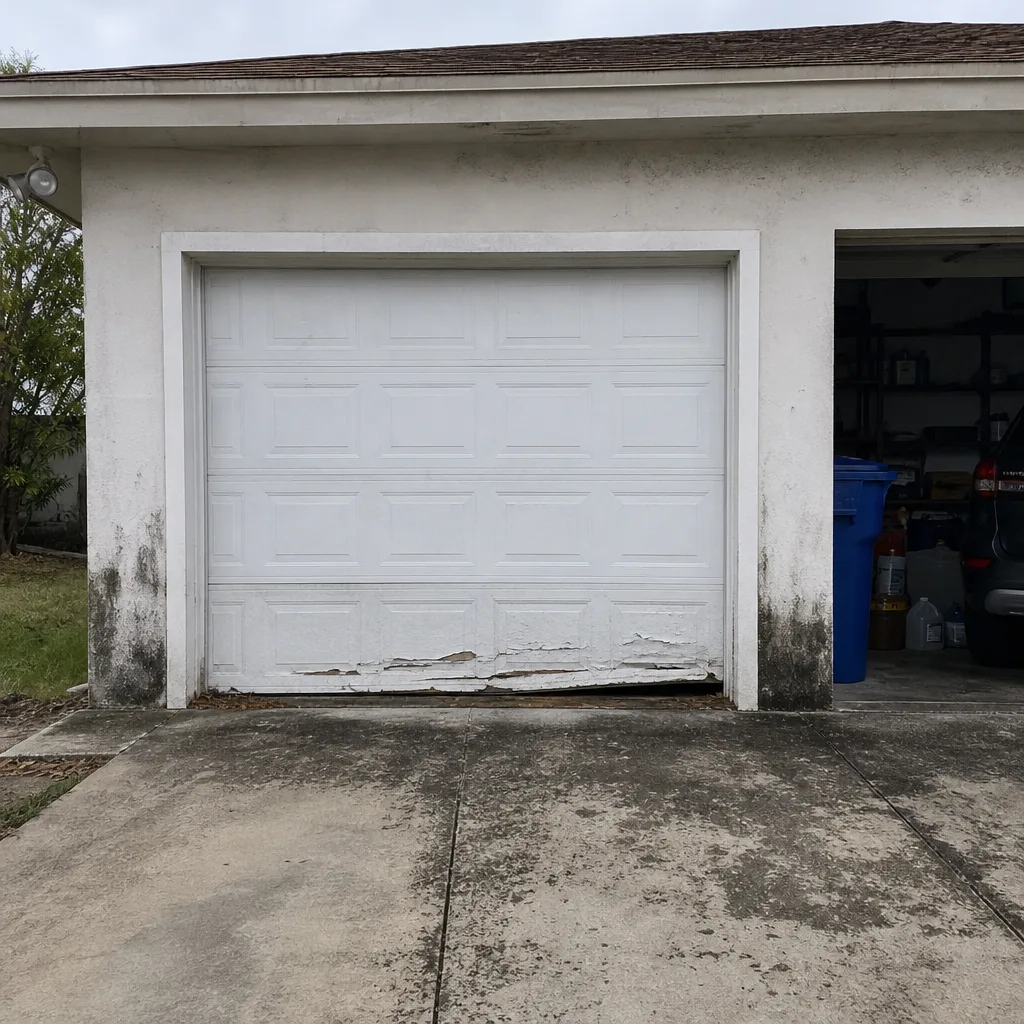
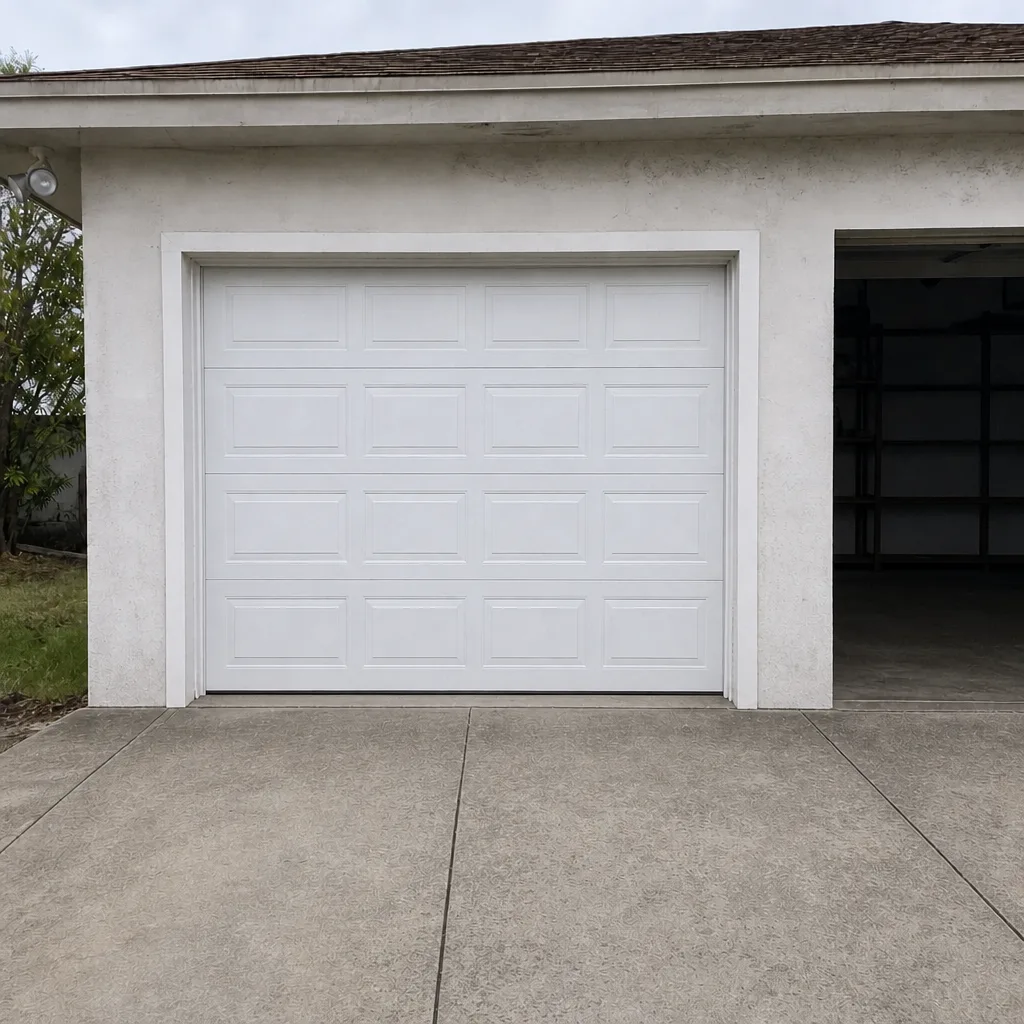
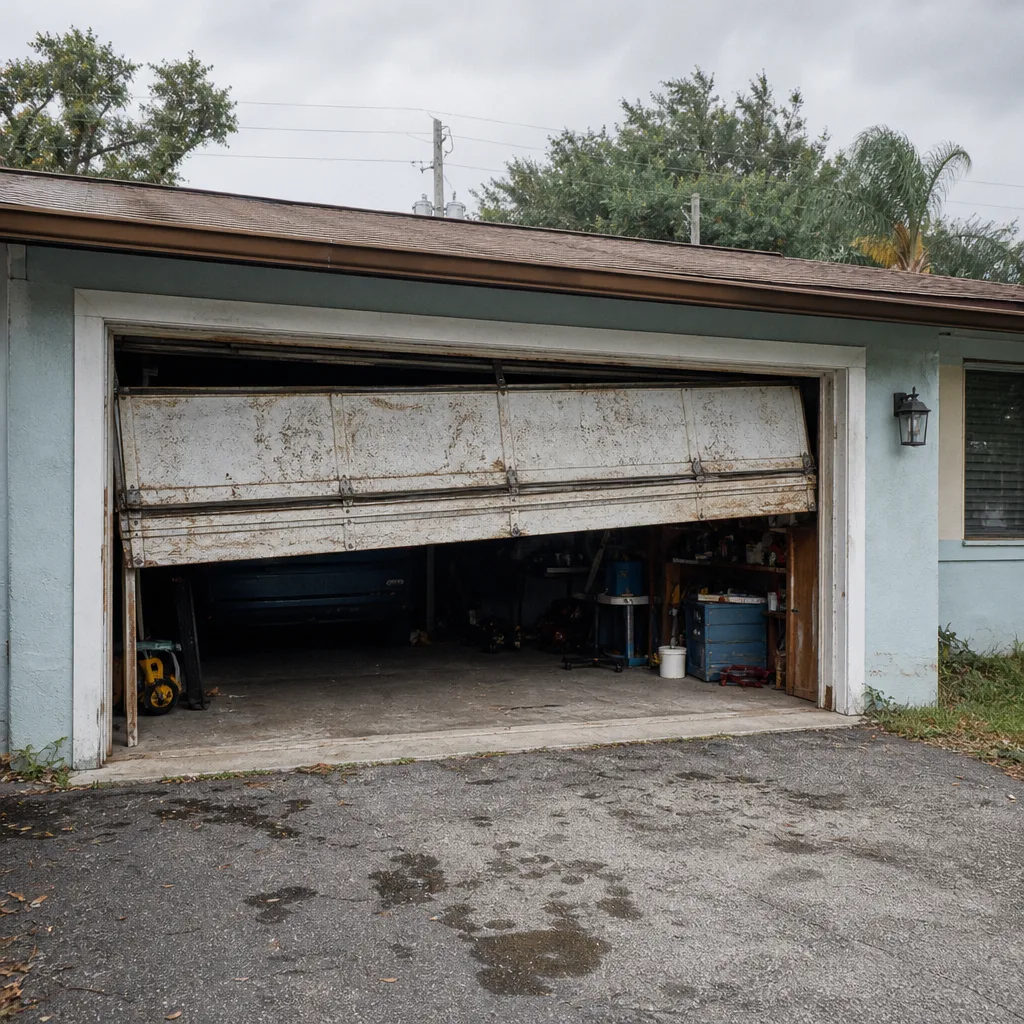
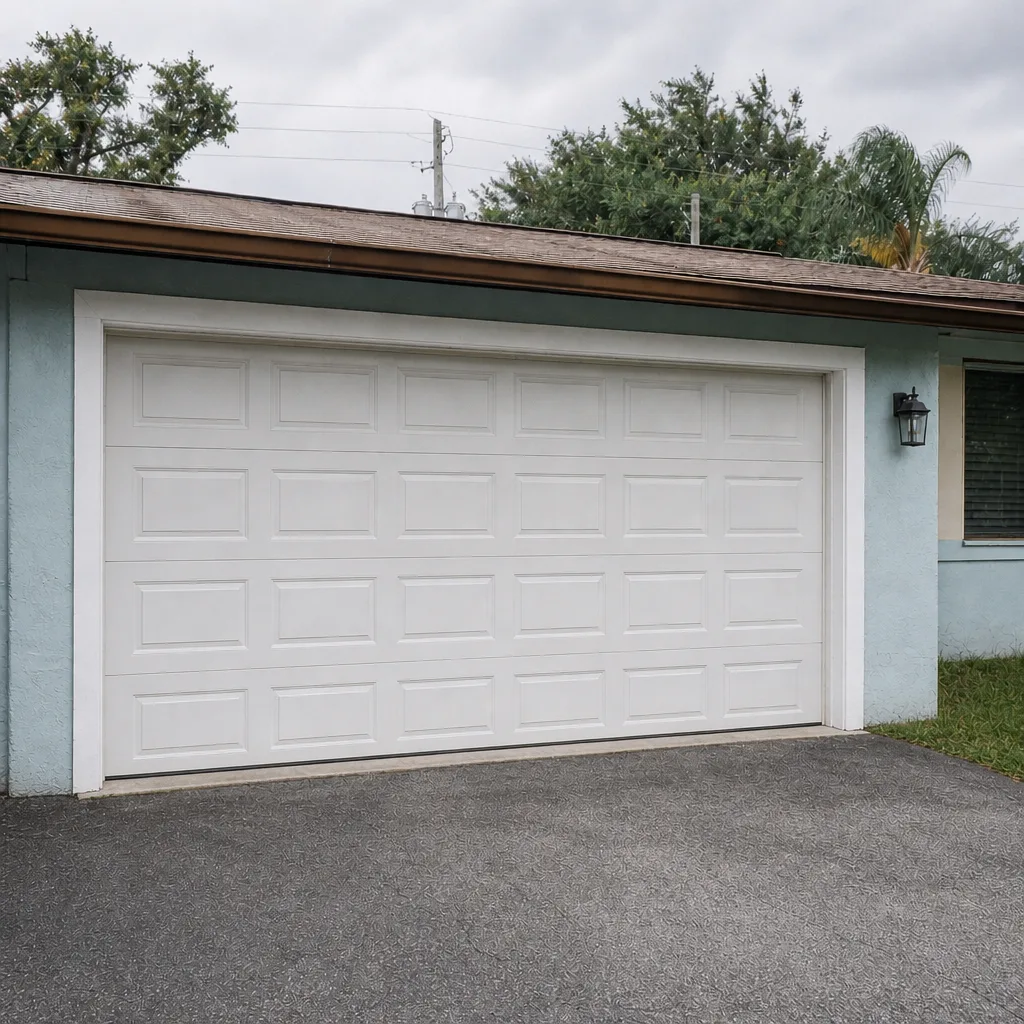
See the difference
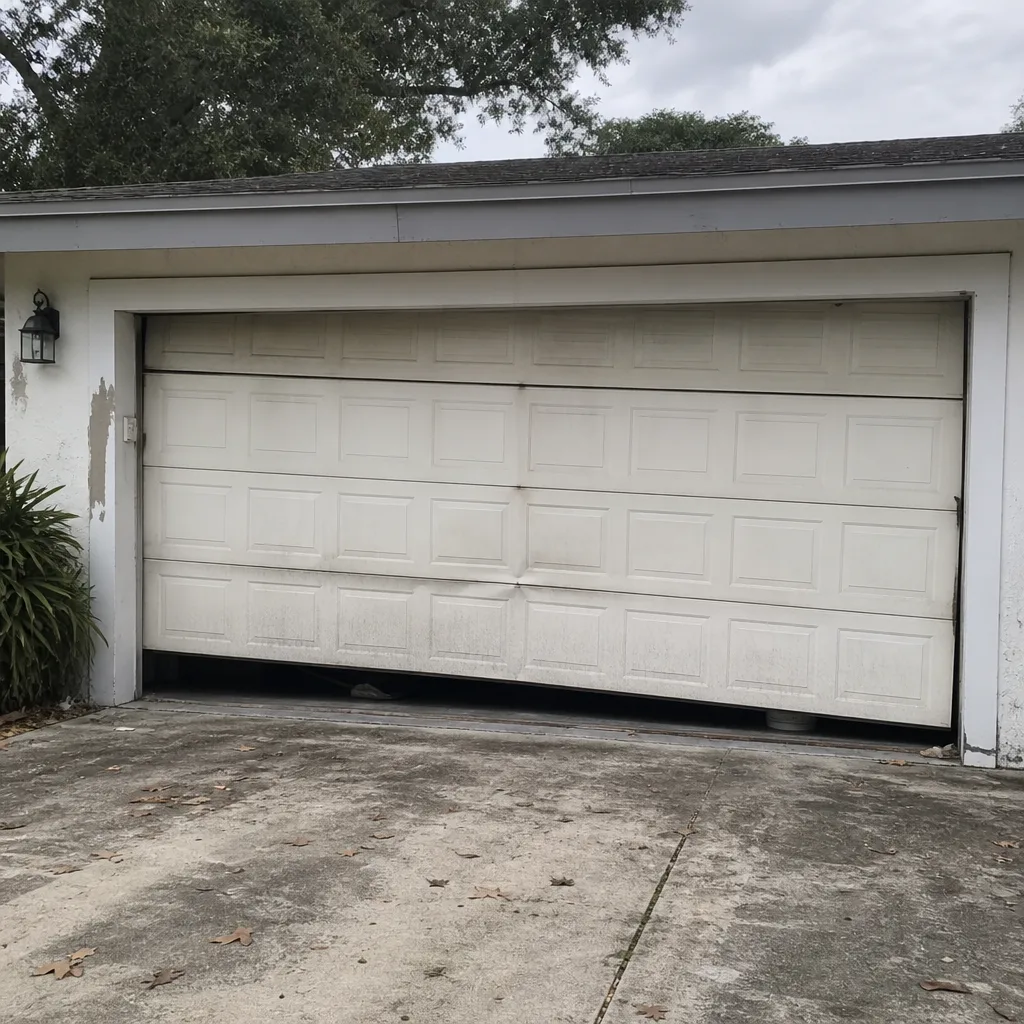 Before
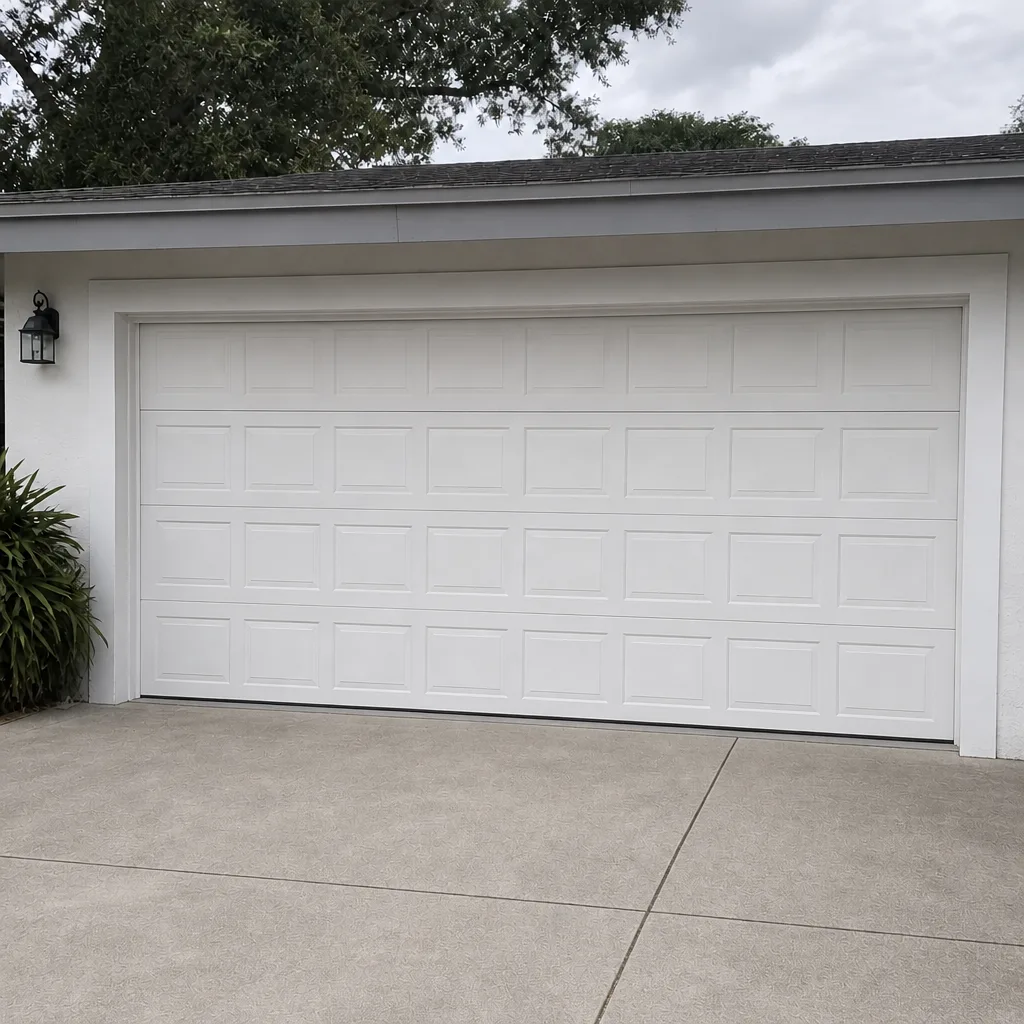 After
 Before
 After
 Before
 After
When to Call a Professional
Call a professional when the issue involves springs, track alignment, opener circuit boards or anything that affects the door’s safe operation. Spring replacement, torsion adjustments, roller and hinge replacement on a heavy door, and any post-storm damage that affects structural integrity are all jobs for a technician, not a weekend project. Springs alone can release with enough force to cause serious injury, so that’s a hard line. If your door won’t reverse on obstruction, if the tracks are bent, if the opener grinds or smokes, or if the door won’t hold itself open halfway, stop using it and get help.
North Miami Garage Door Repair Pros offers free estimates in North Miami. Call (888) 399-4139 to talk through what’s happening with your door and get an honest read on whether you need a repair or a replacement.
Frequently Asked Questions
Once a year professionally, plus your own inspections before and after hurricane season. The pre-season check in April or May and the post-season check in December are the two most important touchpoints, with monthly visual inspections and hardware lubrication in between.
Yes, slightly. North Miami’s afternoon sun exposure is intense and many garages face west or south, which accelerates UV fade and coating wear. That means dry-season coating care matters more here, and monthly panel washing is worth doing during the high-UV months from December through May.
If the springs show wear (rust, gaps in the coils, or a door that’s hard to lift by hand), yes. Replacing a marginal spring in spring is far safer and cheaper than a mid-storm failure. If your springs look clean and your door balances normally, they can wait, but have them inspected anyway.
It can, yes. A quality surge protector between the opener and the outlet gives the circuit board a layer of protection against lightning-induced surges. It won’t stop a direct strike, but it often prevents the board damage that follows nearby strikes, which are common in North Miami during storm season.
Stop using the door, inspect visually, and call for a professional evaluation. If the tracks are bent or the panels are compromised, don’t cycle the door until a technician has looked at it. Emergency garage door service is available for exactly this situation.
No. Springs are under extreme tension and can cause serious injury if handled incorrectly. This is a trained-technician job, every time, regardless of how much the DIY video makes it look manageable.
We work on the major brands, including LiftMaster, Chamberlain, Genie, Clopay, Amarr, Wayne Dalton, Craftsman and Raynor. Knowing the brand helps us diagnose by the logic of that system rather than by guesswork, which saves time on both repairs and installations.
Any time of year works, but scheduling before hurricane season gives you a full season of confidence in the new door’s condition. If you’re planning installation, ask for a free measure and written price so you know exactly what you’re committing to before any work is scheduled.
The Bottom Line
North Miami doesn’t have four seasons of garage door care. It has two: the storm season, when humidity and wind are the enemies, and the dry season, when UV and heat are. Build your maintenance calendar around those two windows, do the April and May checks before the storms arrive, protect the finish from December through May, and inspect the door after every named storm. Replace marginal springs proactively, keep hardware lubricated and clean, and leave spring work and structural repairs to a trained technician. Do that and your door will serve you through many North Miami years without a surprise failure.
Whether you’re facing a broken spring, an opener that quit after a storm, a track that’s out of alignment or a full new installation in North Miami, the team at North Miami Garage Door Repair Pros can help. With technicians bringing up to 15 years of experience and service across the major brands, we’re ready to take the call. Call (888) 399-4139 for a free estimate.
Written by the team at North Miami Garage Door Repair Pros.