Last updated November 23, 2026
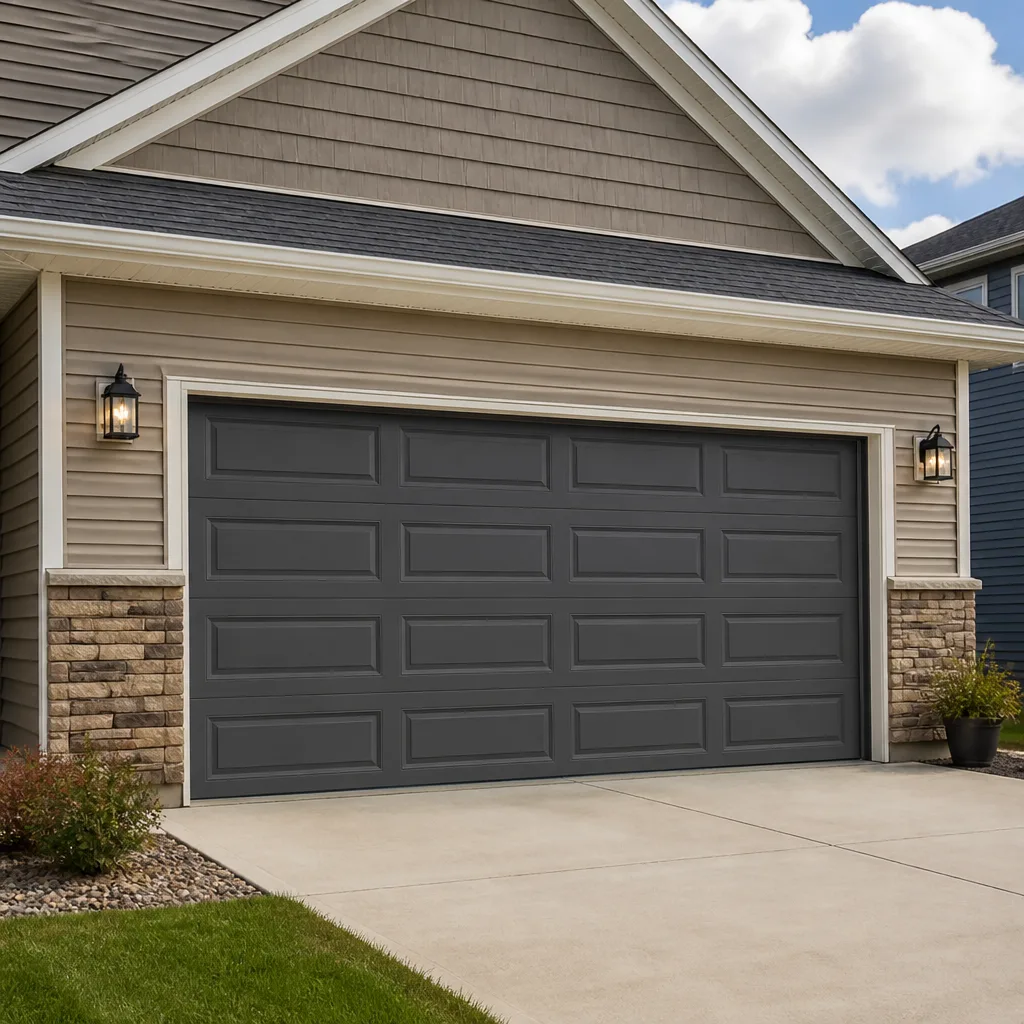 Raised-panel steel
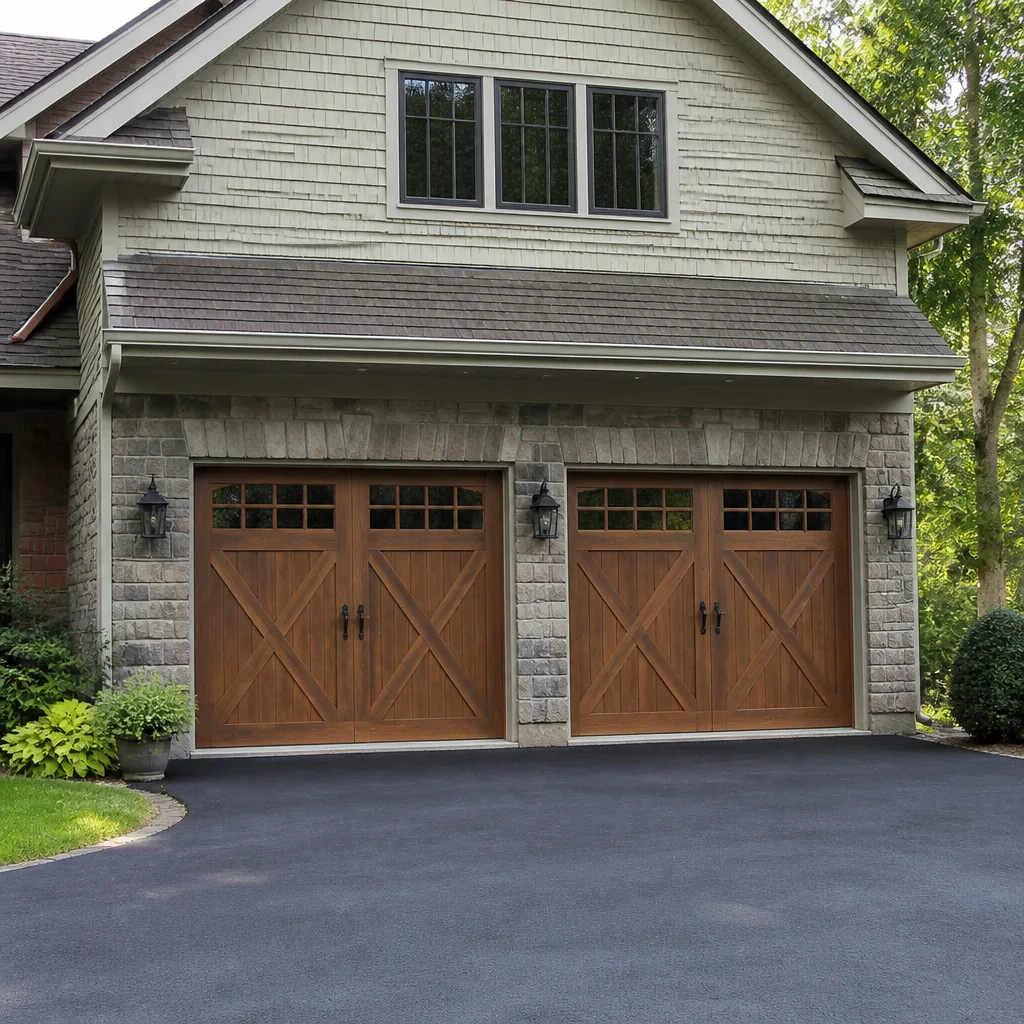 Carriage house
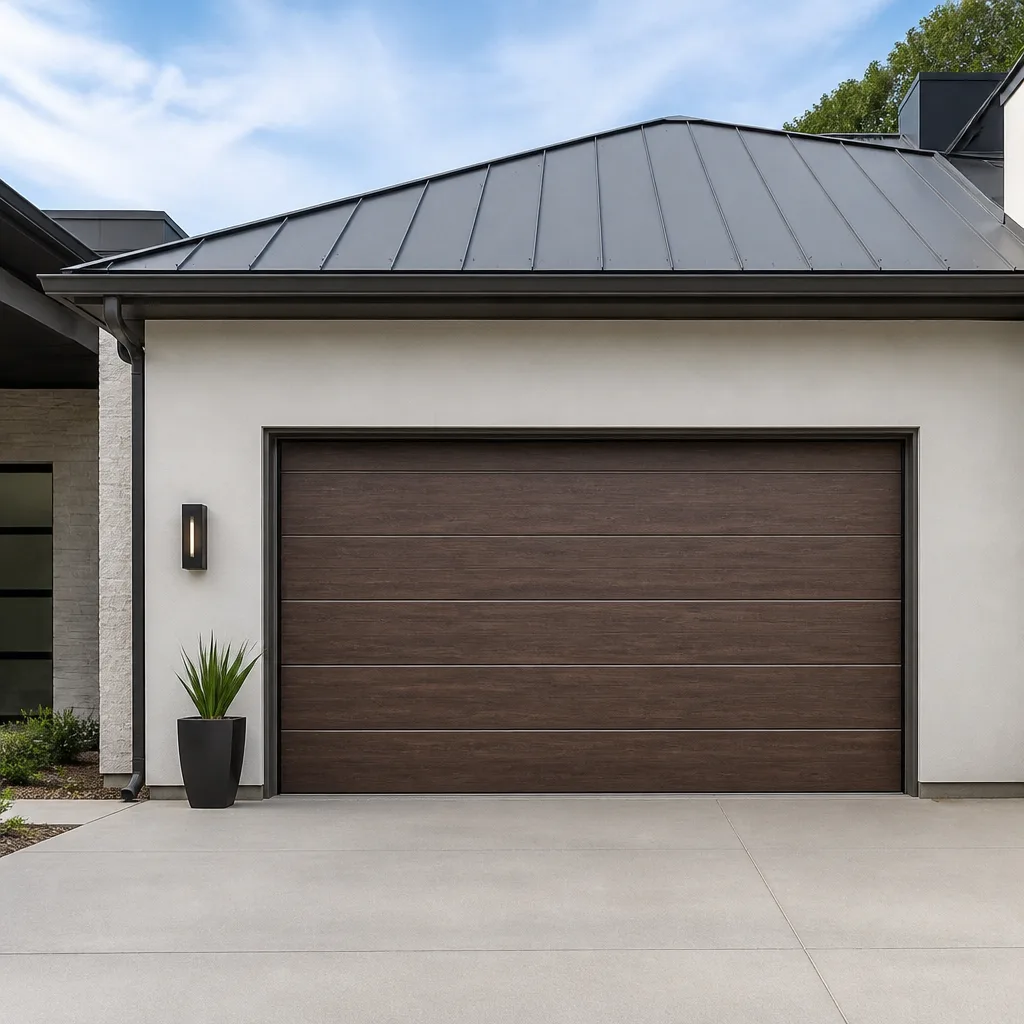 Modern flush
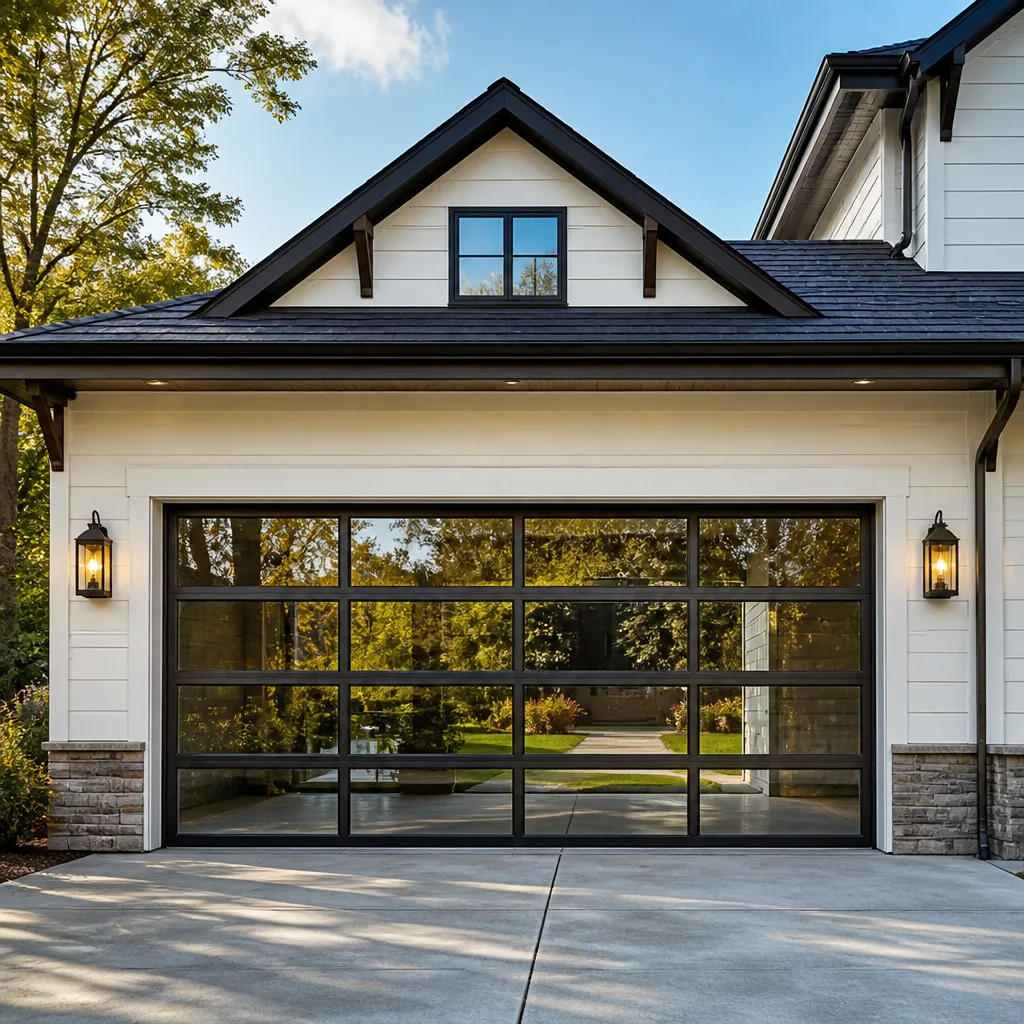 Full-view glass
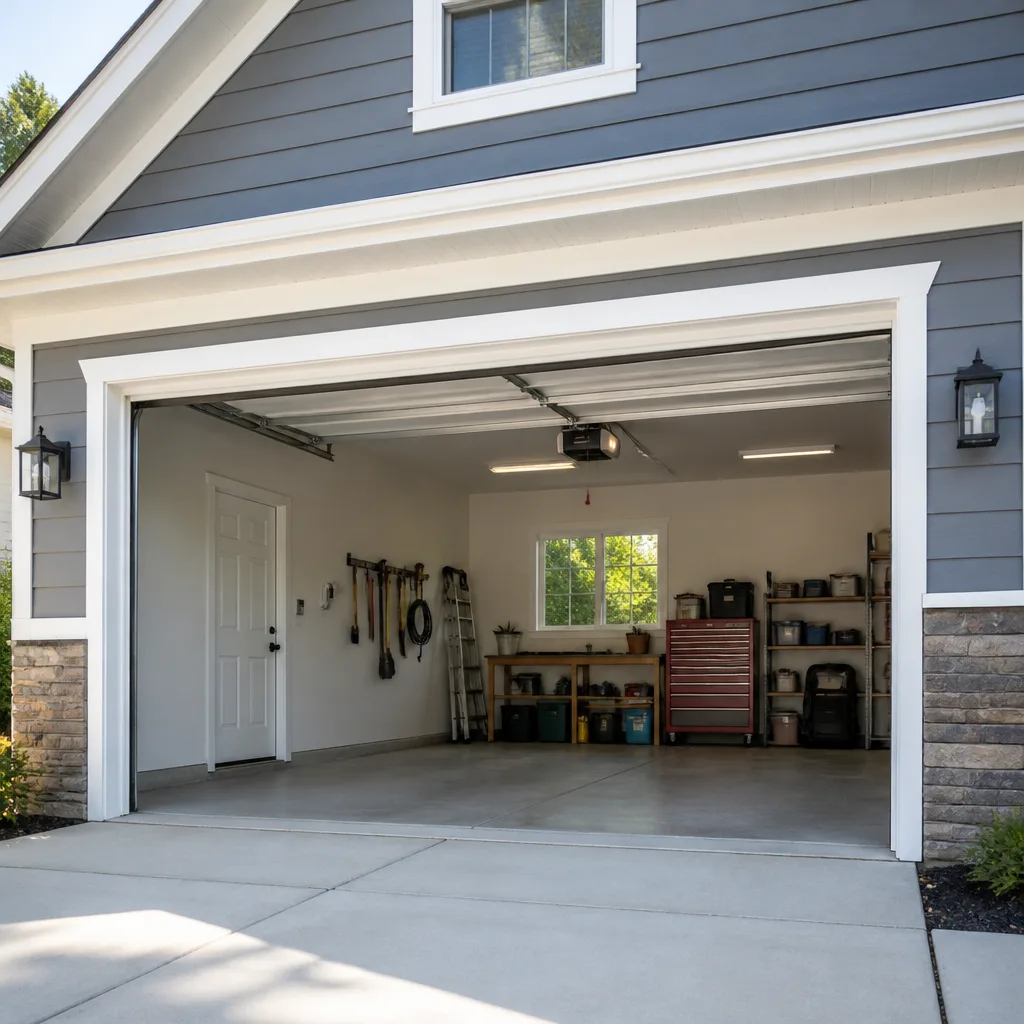 LiftMaster openers
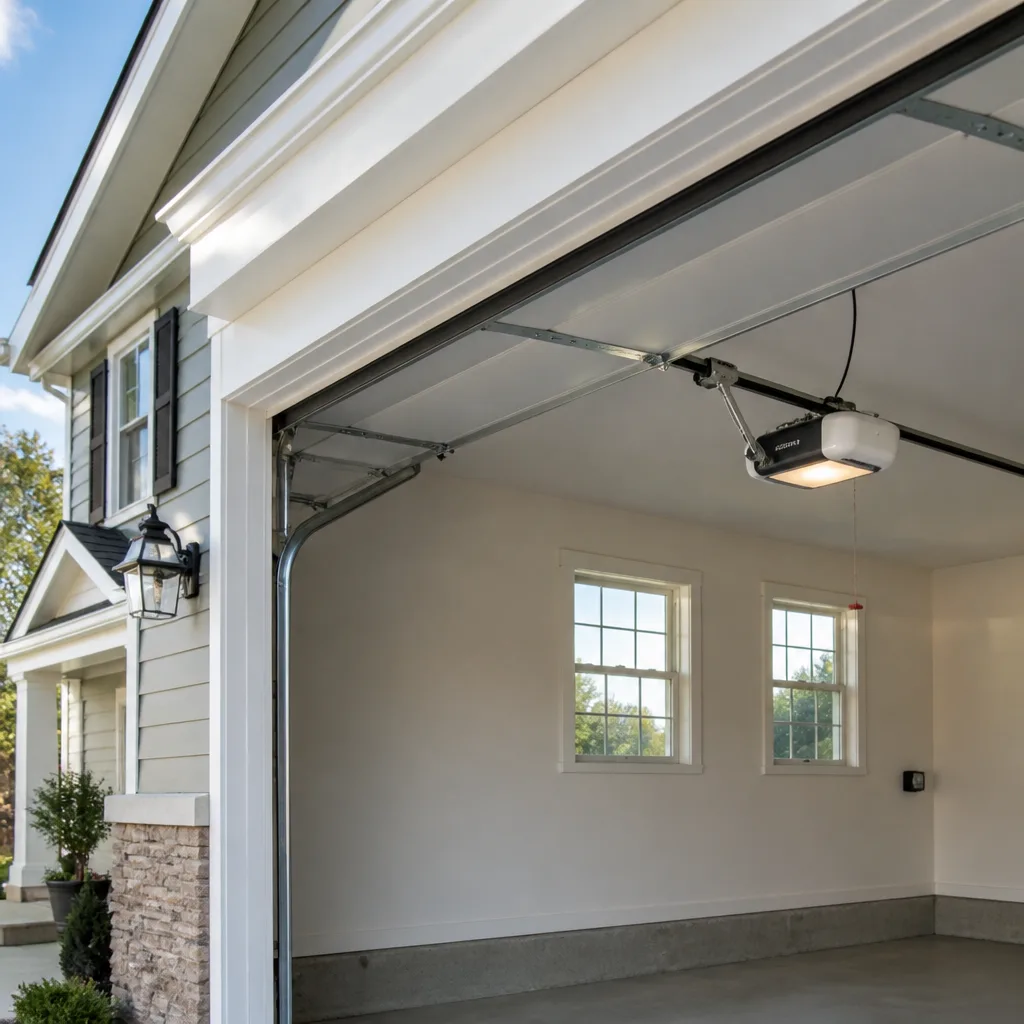 Chamberlain openers
Full 25-point door and opener safety check with every visit - springs, cables, rollers, tracks, and your LiftMaster or Chamberlain opener included
You get a price before we start. It does not change when the pro arrives.
Get your free estimateHow to Hire a Garage Door Contractor in North Miami: A Step-by-Step Guide
Most homeowners in North Miami think a garage door is just a big heavy panel with a motor. That’s the first misconception, and it’s the one that costs people the most. A garage door is a mechanical system built around a high-tension spring, and your home’s exterior walls are rated to hold it against wind. Hire the wrong contractor and the work can fail a wind-load inspection, void a manufacturer warranty, or leave you with non-approved parts that complicate your insurance coverage. What follows is the framework we use ourselves: how to check a Florida license, what “NOA-approved” actually means in practice, which brands the tech should know, and the three contract clauses that protect you before you sign.
Quick Answer
To hire a garage door contractor in North Miami, verify the installer’s Florida license number through the state’s DBPR database, ask for written proof that the door and anchor system meet Miami-Dade wind-load requirements, and get the permit responsibility, parts sourcing, and workmanship warranty spelled out in the contract. A handyman license is not enough for a garage door installation in Florida. Insist on a specialty or licensed general contractor who can name the door’s NOA documentation and put all three contract terms in writing before any deposit changes hands.
Styles & brands we work with
- Raised-panel steel
- Carriage house
- Modern flush
- Full-view glass
- LiftMaster openers
- Chamberlain openers
Table of Contents
- Step 1: Verify the Contractor’s Florida License
- Step 2: Understand NOA-Approved Installation
- Step 3: Brand Authorization vs. Independent Service
- Step 4: The Three Contract Clauses That Protect You
- Step 5: Red Flags in the South Florida Market
- Step 6: Five Questions to Ask Before You Sign
- Step 7: Picking the Right Specialist for Your Door
Step 1: Verify the Contractor’s Florida License
Florida requires garage door installers to hold a specific state contractor license, and most homeowners never check it. Here’s the problem: a general handyman license does not cover structural garage door installation, and it certainly doesn’t cover the wind-load tiedown work that a North Miami door needs to be legally installed. That’s the gap a lot of unlicensed operators in the area slip through.
Verification is easier than most people assume. You’re looking for one of two license types for an installation job: a Certified General Contractor (CGC) license, or a specialty contractor license that specifically covers garage door or overhead door work. Either is acceptable; what you’re checking is that the license class matches the work being performed. A handyman license is not the same thing, and it is not sufficient for garage door installation or replacement.
- Ask the contractor for their Florida license number before they visit.
- Look the number up in the Florida Department of Business and Professional Regulation (DBPR) database – it’s public and searchable.
- Confirm the license status is “Active” and has no disciplinary flags displayed.
- Cross-check the license holder name against the name on the written estimate, not just the company logo.
- Ask whether the crew member doing the actual install is licensed or supervised by the license holder – some companies subcontract the physical work.
The DBPR lookup takes about two minutes. It’s the single highest-value step in this whole guide, because everything else – warranty coverage, permit approval, insurance cooperation – depends on a valid license being in place. If a contractor hesitates or deflects on the question, that’s your answer.
Step 2: Understand NOA-Approved Installation
“NOA-approved installation” means the door and its anchor system have a Miami-Dade County Notice of Acceptance documenting that the product meets the area’s wind-load requirements. In practice, that’s the document that tells your building department, your insurance company, and a future buyer that the door was tested for the conditions here. A contractor who cannot speak to NOA documentation in North Miami either doesn’t install in Miami-Dade or doesn’t know their product well enough to be trusted with it.
It’s important to understand what NOA approval does and does not mean. The Notice of Acceptance applies to the specific product model and anchoring configuration that was tested – not to every door made by that manufacturer. A contractor who says “they’re NOA approved” without naming the model is not answering the question.
- Ask for the NOA number on the specific door model being quoted, not just the brand.
- Ask for the install detail – header brackets, track anchoring, and jambs all factor into meeting the tested assembly.
- Ask who pulls the permit – the permit is the record that a municipal inspector verified the install.
- Ask for the manufacturer’s install instructions and confirm the crew follows them exactly, not “close enough.”
- Ask what the building department will inspect – a good contractor will be able to describe the inspection points before the job starts.
Residential garage doors in North Miami get specified into the Florida Building Code’s wind-borne debris requirements through the local building department. We always advise asking your city’s building department what documentation they’ll require for your address before you sign anything, because the details vary by structure and by door. A contractor who is comfortable with that answer is one worth hiring.
Step 3: Brand Authorization vs. Independent Service
“Brand authorized” and “brand experienced” are not the same thing, and for a garage door specifically, the difference matters at warranty time. A brand-authorized dealer is contractually tied to one manufacturer and its warranty program. An independent multi-brand specialist is not, but is often deeply familiar with several manufacturers at once. The right choice depends on whether you’re working with a new door purchase or a repair on an existing door.
When brand authorization matters most
For new door purchases, brand authorization can matter – sometimes. A new Clopay or Amarr door carries a manufacturer warranty, and many warranties require a qualified installer. Some manufacturers run dealer networks with installation requirements; others allow any qualified contractor. Ask the manufacturer’s warranty department directly which installer classes preserve coverage on the model you’re considering, then compare that to the contractor’s authorization status.
When independent multi-brand service is the better call
For repairs on an existing door, or for a second opinion on a failed part, an independent specialist who works across multiple brands is usually the better call. Here’s why: the incentive structure is different. A brand-authorized dealer may steer toward that brand’s parts, and toward replacement when repair would do. An independent tech can diagnose by the actual failure – spring, cable, opener board, sensor, track alignment – and quote what the door needs, not what the sales pipeline wants.
In our own shop we work on the brands that dominate North Miami garages: Amarr, Wayne Dalton, Craftsman, Raynor, plus Clopay, LiftMaster, Chamberlain, and Genie on the opener side. When we quote a repair, the parts recommendation is based on what failed and what’s compatible, not what’s on the shelf. For a homeowner, that means the conversation stays about the door in front of them.
Step 4: The Three Contract Clauses That Protect You
Three contract clauses separate a professional garage door contractor from a crew with a truck. All three should appear in writing before the first dollar changes hands, and none should require you to ask twice.
Clause 1: Permit-pull responsibility
The permit is the county’s record that a licensed contractor installed the door to code. Some contractors will try to skip it “to save you time” – that’s the wrong answer. For any installation or structural repair in North Miami, the clause should state clearly that the contractor will pull the permit, that the permit is included in the price, and that the contractor is the “contractor of record” who signs off. If the customer pulls the permit instead, the customer becomes responsible for the inspection outcome, which is a bad place to be.
Clause 2: Parts sourcing disclosure
Every quoted line item should name the brand and part class – for example, “LiftMaster 8500W jackshaft opener” or “Wayne Dalton spring, matched pair.” If you’re quoted a spring replacement with no brand and no spring classification (matched pair vs. single), you’re being set up for a bait-and-switch. Spring prices vary widely between a single spring and a matched pair, and cheap quotes are often single-spring quotes installed as single springs. If the door needs a pair, that’s what the quote should specify.
Clause 3: Workmanship warranty terms
Manufacturer warranties cover the parts, not the install. Ask for the workmanship warranty separately, in writing, with the duration and what’s covered spelled out. A workmanship warranty on the install itself is what protects you if the door rattles two weeks later because a bracket was never properly anchored – because that’s not a product defect, it’s an installation problem. If the contract is silent on workmanship, ask for it in writing before you sign.
Step 5: Red Flags in the South Florida Market
The South Florida contractor market has its own failure modes. None of these red flags are unique to garage doors, but all of them show up in garage door work because a spring and a door install look simple enough for anyone to quote – and they aren’t.
- Storm chasers. Out-of-state or transient operators show up after storm events, quote aggressively, and disappear before the warranty window opens. Ask for the license number, the local business address as it appears on the DBPR record, and a written workmanship warranty. If the answers shift, walk.
- Bait-and-switch spring pricing. A phone quote of “$99 spring replacement” is almost always a single spring at a bare minimum, with a setup fee, a truck fee, and a “your cable needs replacing too” upsell on the day. Ask on the phone what the quote covers – one spring or the pair, labor included, cable if needed.
- Pressure to skip the permit. “The permit isn’t needed for a repair like this” is sometimes true (a straight spring replacement usually doesn’t require one) and sometimes a way to avoid a code inspection on a full install. On anything structural or new, ask why the permit isn’t being pulled and get the answer in writing.
- No brand on the parts quote. If the quote doesn’t name the brand of spring, cable, or opener, you don’t know what you’re buying and neither does the warranty. Name it in the quote.
- Steering to full replacement on a repair call. A snapped spring on a good door does not require a new door. If a contractor can’t explain why replacement beats repair, get a second opinion.
- No written workmanship warranty. A “we stand behind our work” verbal promise isn’t a warranty. If it isn’t in writing, it isn’t coverage.
Step 6: Five Questions to Ask Before You Sign
These five questions will flush out whether you’re talking to a real specialist or a crew with a clipart logo. Ask all five before you sign, and ask for written answers on at least the license number and the NOA documentation.
- “What’s your Florida license number, and what class is it?” You want to see it and you want to look it up in DBPR yourself. If they’re installing a new door in North Miami, a handyman license is not the answer.
- “What’s the NOA number on the specific door model you’re quoting me?” Not the brand, not “it’s approved,” the actual Notice of Acceptance tied to the model and anchoring configuration.
- “Which brands do you work on, and which are you authorized for?” The answer should distinguish between what they service literally and what they hold manufacturer authorization for. Both matter, for different reasons.
- “Will you pull the permit, and is it included in the price?” Yes to both, in writing, on any install or structural work.
- “What’s your workmanship warranty, in writing?” The duration, the exclusions, and who honors it if the original crew can’t come back.
Step 7: Picking the Right Specialist for Your Door
The last step is matching the specialist to the specific job. A repair on a stuck door, an opener that quit, a snapped spring, an emergency situation, or a new door purchase each has different requirements – and the contractor who is best for one is not always best for another.
For an urgent failure – door stuck open or shut, spring snapped, opener unresponsive – speed and diagnosis skill matter most. We staff emergency coverage as a primary service at North Miami Garage Door Repair Pros, which means an urgent call routes to a garage door specialist rather than a generic handyman line. For routine garage door repair, look for a shop that can explain what failed and why without a lecture, and that quotes repair-before-replace. For an opener issue, check that the shop carries expertise on the dominant brands – LiftMaster, Chamberlain, and Genie cover the vast majority of residential installations in North Miami, so a shop that knows all three will usually know yours. That’s the garage door opener repair conversation to have before the tech visits.
Springs are their own category. Garage door spring repair is the highest-tension, highest-risk work in the trade, and not every shop is set up to do it correctly. A spring under tension can cause serious injury if the wrong procedure is used – this is work for a trained technician with the right winding bars, not a DIY project. Ask specifically how the shop matches springs (torsion vs. extension, wire gauge, cycle rating) and whether they quote per spring or as a pair. A pair is common on a standard residential door because the springs age together; expect a pair quote to be roughly double the per-spring price.
For a new installation in North Miami, that’s a measured, ordered, scheduled job. There’s no same-day promise on a new door. The right specialist will schedule a free measure, quote a written price, walk you through NOA documentation for the door model, and confirm the permit-pull responsibility in the contract. If the door model is a Clopay, Amarr, or Wayne Dalton (three of the most-installed brands in this market), ask how the install crew handles the anchor detail for wind-load performance. That answer will tell you whether you’re dealing with a specialist.
Common Mistakes to Avoid
- Hiring a handyman for a garage door installation. A handyman license does not cover the structural, permit, or wind-load aspects of a new door in North Miami. The savings on the front end become a problem at inspection or insurance time.
- Taking a phone-quoted spring price at face value. “$99” phone quotes are almost never the final number. Ask what the quote covers – one spring or a matched pair, cable included, labor included – and get it in writing before the visit.
- Skipping the DBPR lookup. Two minutes of your time protects the entire job. The license number should be public and easy to find, and it should match the name on the written estimate.
- Not asking about the NOA. If the contractor can’t name the Notice of Acceptance for the specific model being installed, the paperwork for your wind-load requirement is not their priority.
- Letting the contractor skip the permit on an install. “It’s not needed” is sometimes true for repairs and almost never true for structural or new installs. The permit is your record that the install was inspected.
- Accepting a verbal warranty. Manufacturer parts warranty and installer workmanship warranty are two separate things. Ask for both in writing, with durations and exclusions named.
- Not naming the brand on the parts quote. Amarr, Wayne Dalton, Craftsman, Raynor, Clopay, LiftMaster, Chamberlain, and Genie all have differing part compatibility. A quote that doesn’t name brands and part classes is a quote worth re-asking.
- Assuming a repair call means a new door. A good door with a failed spring, opener, or cable needs a repair, not a replacement. Any quote that jumps straight to replacement without explaining why deserves a second opinion.
See the difference
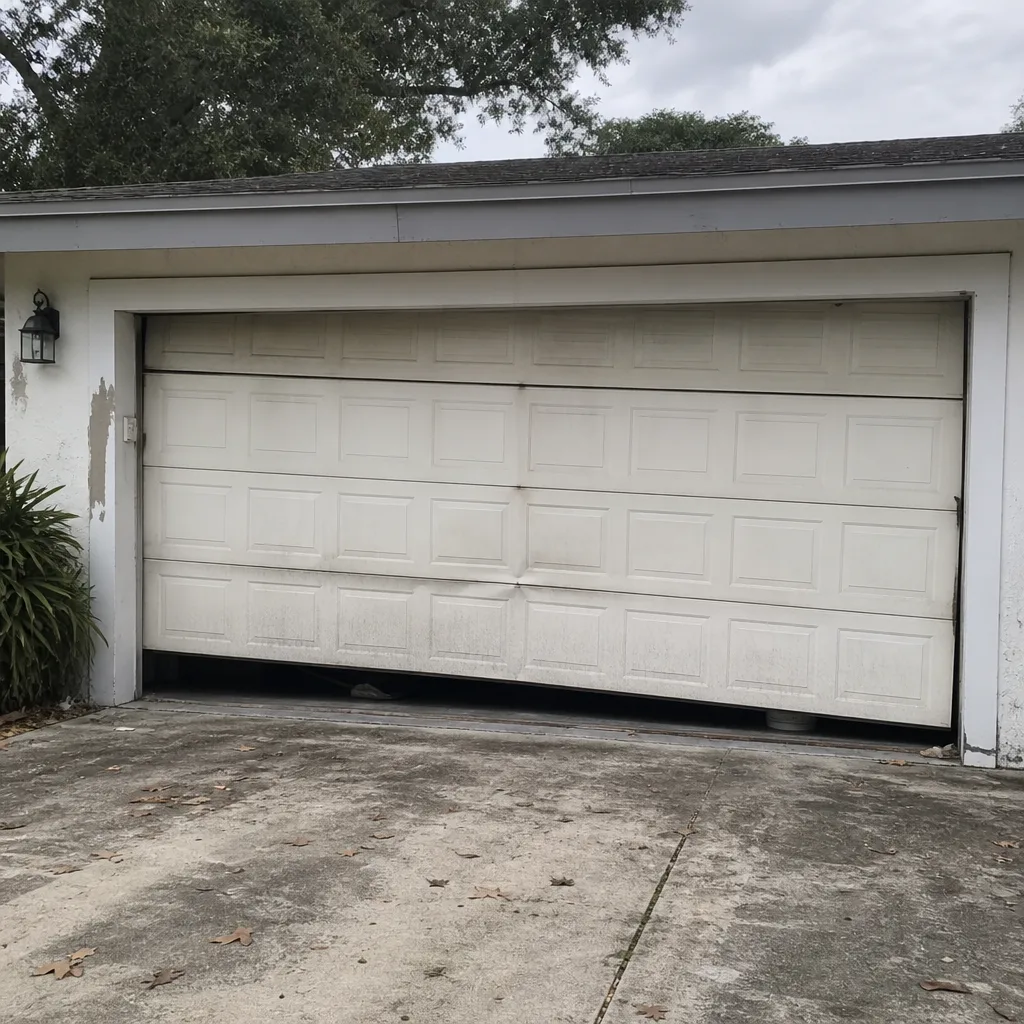 Before
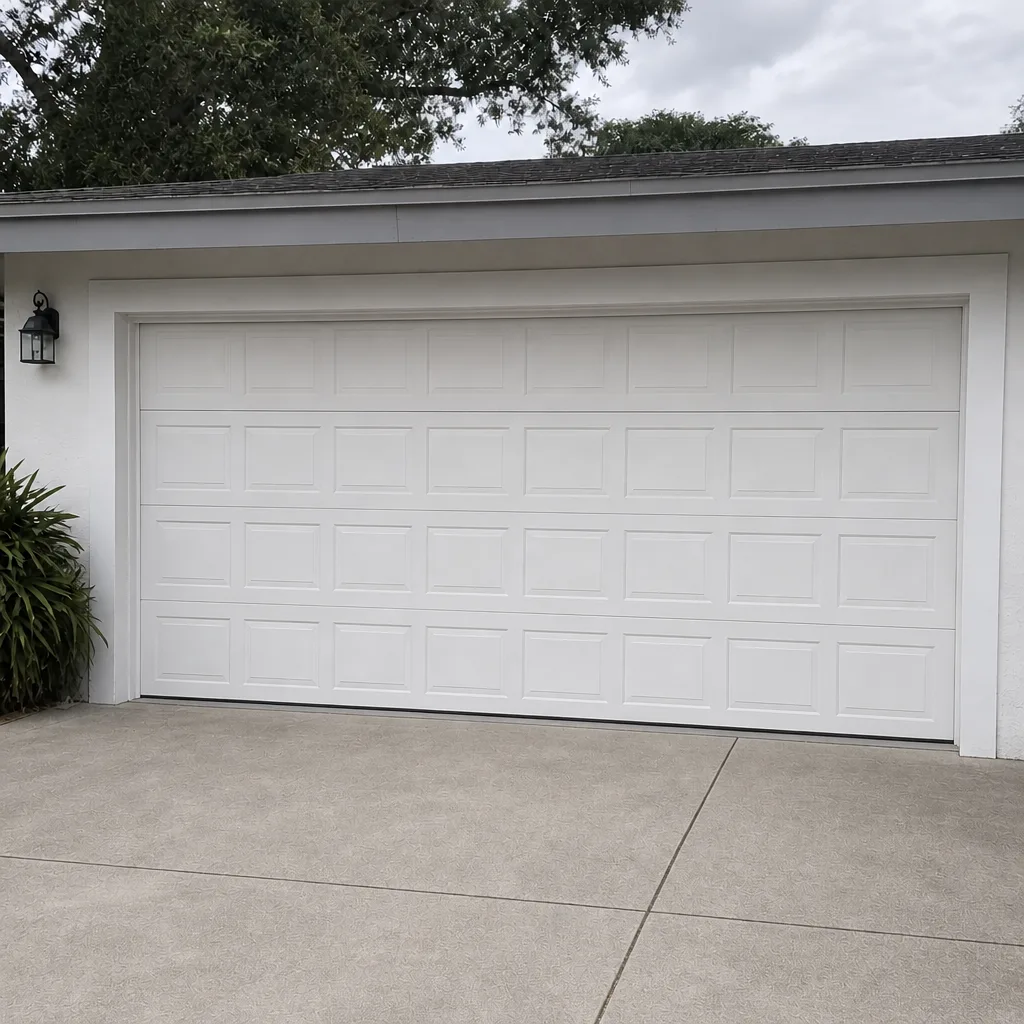 After
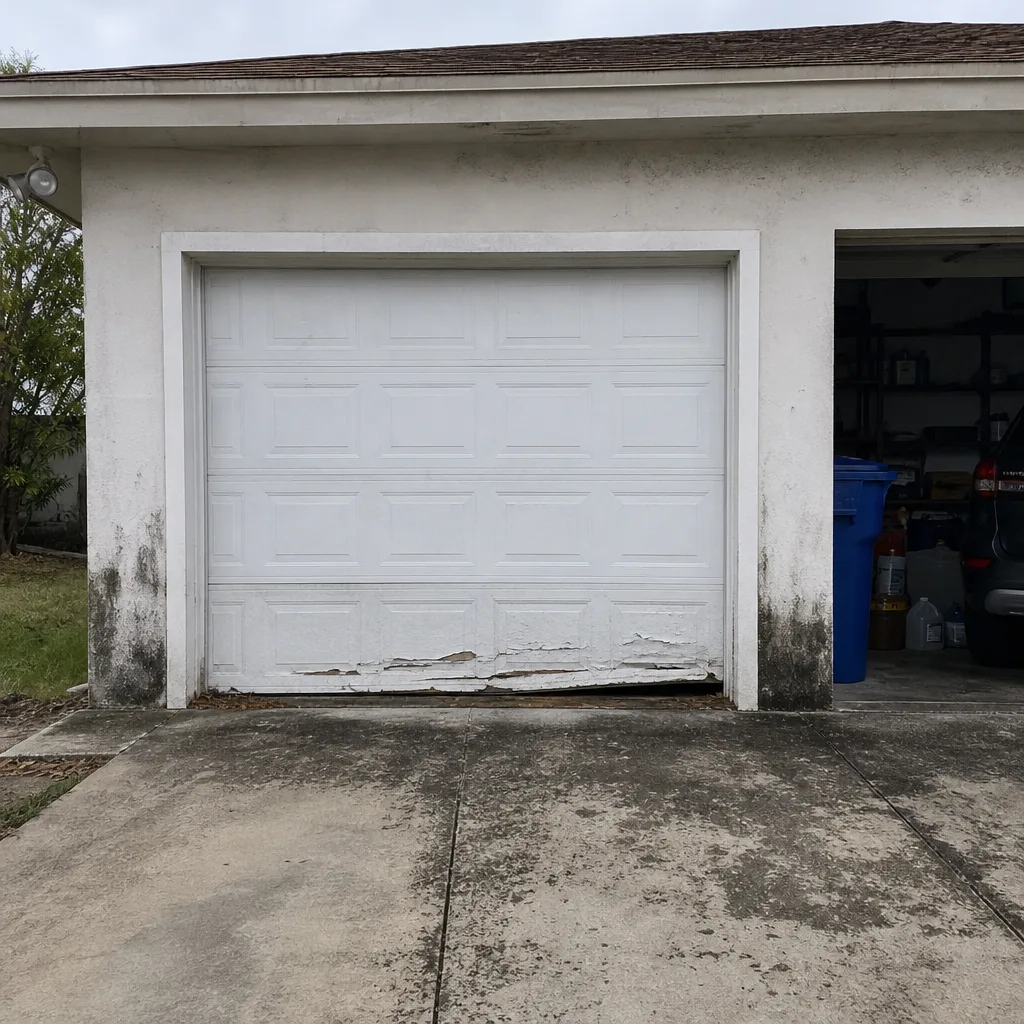 Before
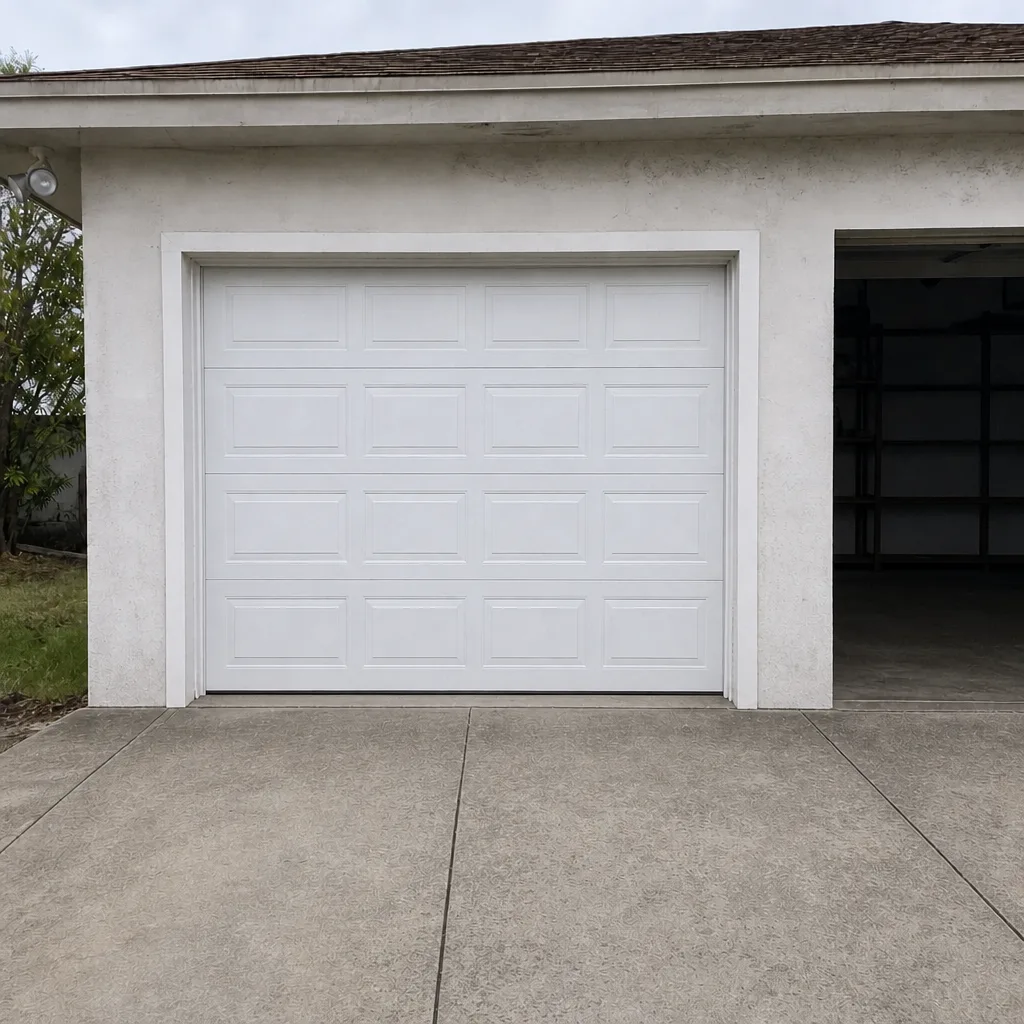 After
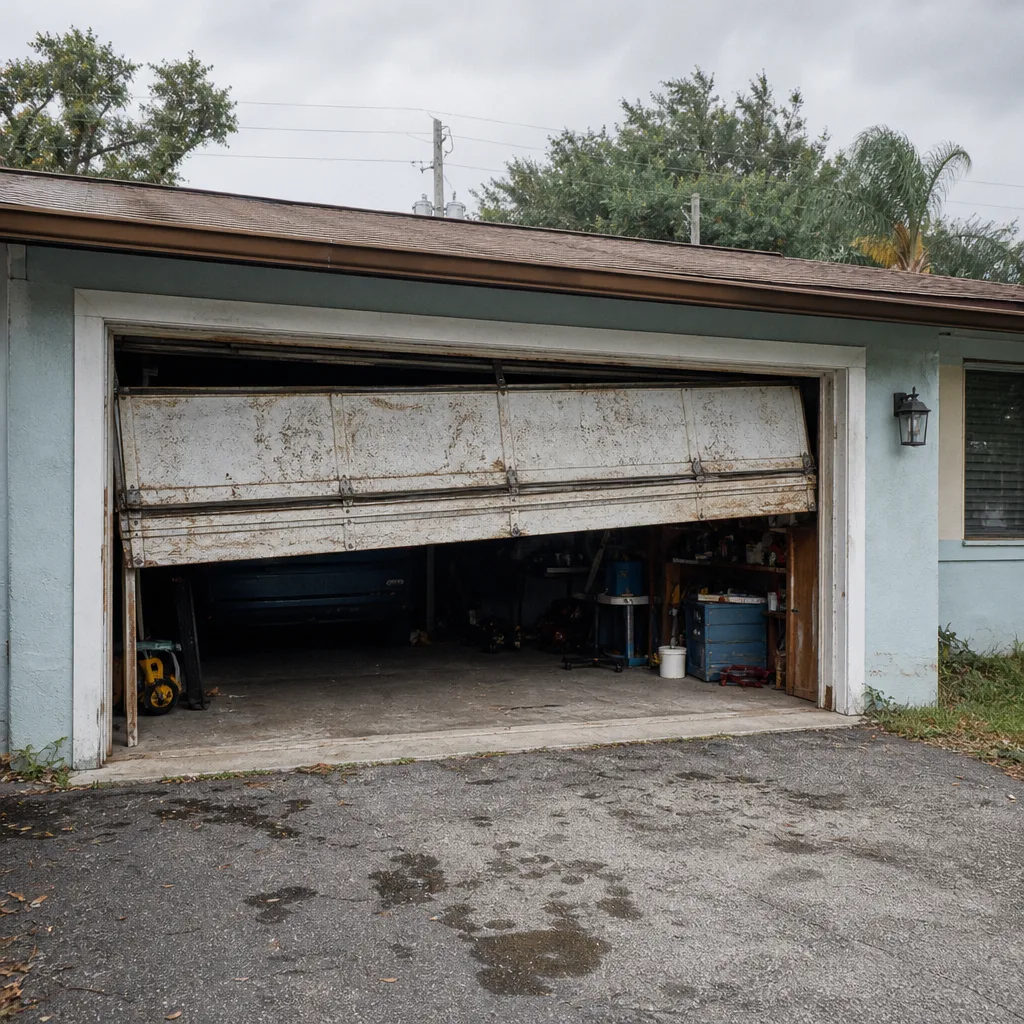 Before
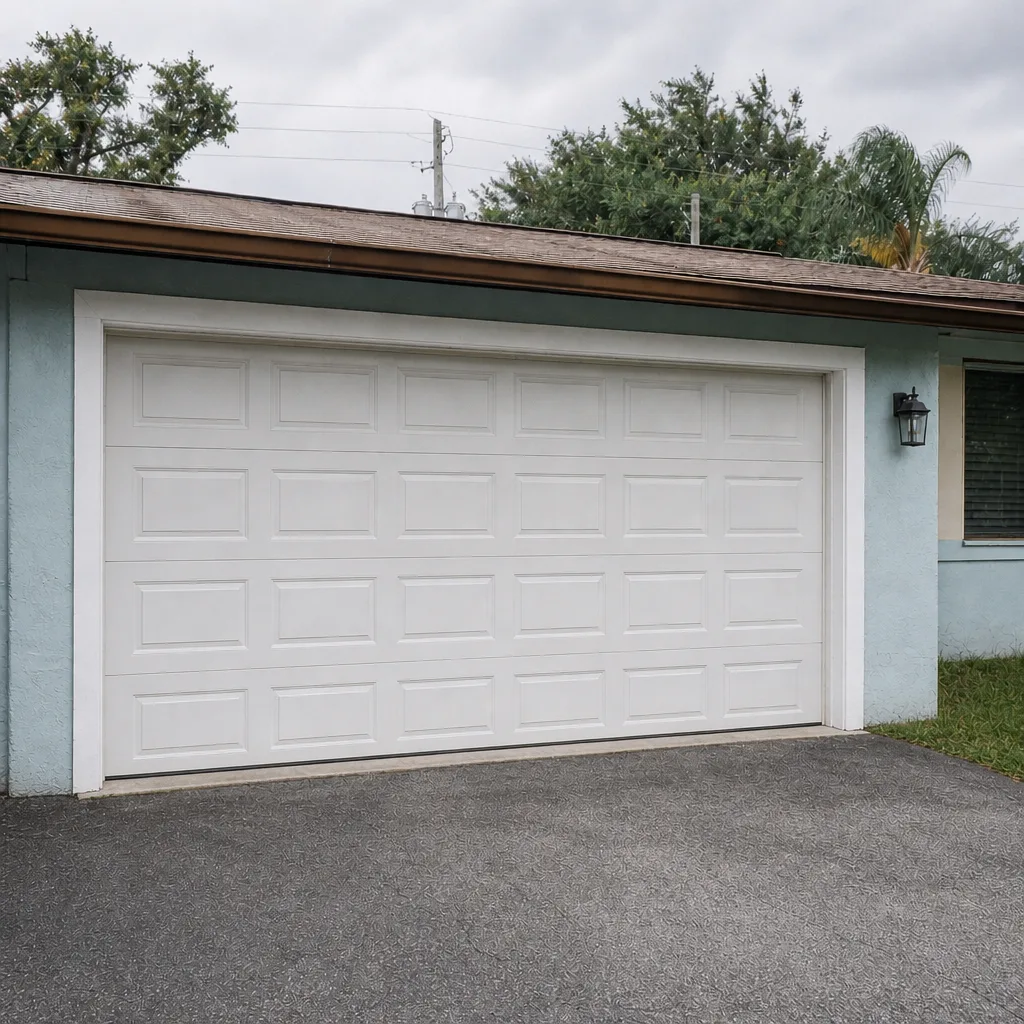 After
When to Call a Professional
Some jobs are genuinely DIY-friendly – replacing a remote battery, adjusting an opener’s travel limit, or lubricating the door’s rollers and hinges. Everything else in the trade touches tension, structure, wiring, or height, and those aren’t DIY categories. Call a professional if the door won’t open or close at all, if the spring is snapped or visibly deformed, if the door has come off its track, if the opener runs but the door doesn’t move, if you see broken cables or hanging hardware, or if the door is out of balance (it should hold in place roughly halfway up). Call immediately if any part of the door is under load and looks unsafe – don’t attempt to force the door, and don’t try to remove a spring yourself.
North Miami Garage Door Repair Pros offers free estimates in North Miami – call (888) 399-4139. Estimates are free, and the price is quoted and agreed before any work starts. Our technicians have up to 15 years of experience across repair, opener service, spring work, and installation.
Frequently Asked Questions
Most garage door work in North Miami falls into a few buckets: a service call diagnosis, a repair (spring, cable, roller, sensor), an opener repair or replacement, or a full new door installation. Repair pricing typically ranges from about $150 to $450 depending on the part and labor, spring replacement pricing varies by single vs. matched pair, and installation is quoted per job after a free measure. The written estimate is the price – no surprises at the invoice. Call (888) 399-4139 for an exact quote – estimates are free.
Yes. Florida requires a state contractor license for garage door installation, and a handyman license does not cover it. Verify the license number through the Florida DBPR database before you sign anything. The license should match the name on the written estimate. If a contractor won’t give you the number, that’s a reason to look elsewhere.
NOA stands for Notice of Acceptance – a Miami-Dade County document confirming that a specific garage door model and anchor system meets the area’s wind-load requirements. For a new installation in North Miami, you generally do need NOA documentation for the door model being installed, and your building department will tell you exactly what paperwork your address requires. Ask your contractor for the NOA number on the specific model they’re quoting, not just the brand.
A North Miami contractor should be able to service the brands already installed on local homes. That list usually includes Clopay, Amarr, Wayne Dalton, Craftsman, and Raynor on the door side, and LiftMaster, Chamberlain, and Genie on the opener side. A shop that works across that whole set can diagnose to the actual failure instead of steering toward one manufacturer’s parts.
For a repair – spring, opener, cable, sensor – same-day service is usually available, and emergency garage door service exists as a distinct offering for stuck doors that need attention fast. For a new installation, no: that’s a measured, ordered, and scheduled job, and no honest specialist will promise it on a same-day basis. Call (888) 399-4139 to find out what’s available for your repair.
No. The written estimate you receive after the on-site assessment is the price for the scope of work described, and any change should be discussed and agreed before additional work begins. That’s the standard we work to, and it’s a standard you should expect from any contractor you hire in North Miami. If a shop won’t put the agreed price in writing before the work starts, that’s a red flag. Call (888) 399-4139 for a free estimate.
The Bottom Line
Hiring a North Miami garage door contractor comes down to three things: verify the license, verify the NOA documentation on the specific door model, and put the permit responsibility, parts sourcing, and workmanship warranty in writing before you sign. Skip any of those and you’re trusting a handshake on work that touches structure, code, and safety. The right contractor will welcome the questions – it’s a short conversation, not an interrogation. If you’re in North Miami and you want a specialist who works across Clopay, Amarr, Wayne Dalton, Craftsman, Raynor, LiftMaster, Chamberlain, and Genie, North Miami Garage Door Repair Pros offers free estimates – call (888) 399-4139.
Every repair, opener, spring, and installation job we scope is quoted and agreed before work starts, and every contractor we connect you with is licensed and insured as their state requires. If your door is a Clopay, Amarr, Wayne Dalton, Craftsman, or Raynor, we’ve seen it, worked on it, and can tell you what failed without a sales pitch. Call North Miami Garage Door Repair Pros at (888) 399-4139 for a free estimate on any repair, opener service, spring repair, or new door installation in North Miami. Our technicians have up to 15 years of experience across the full service arc, and we work on your brand.
Written by the team at North Miami Garage Door Repair Pros.