Last updated November 23, 2026
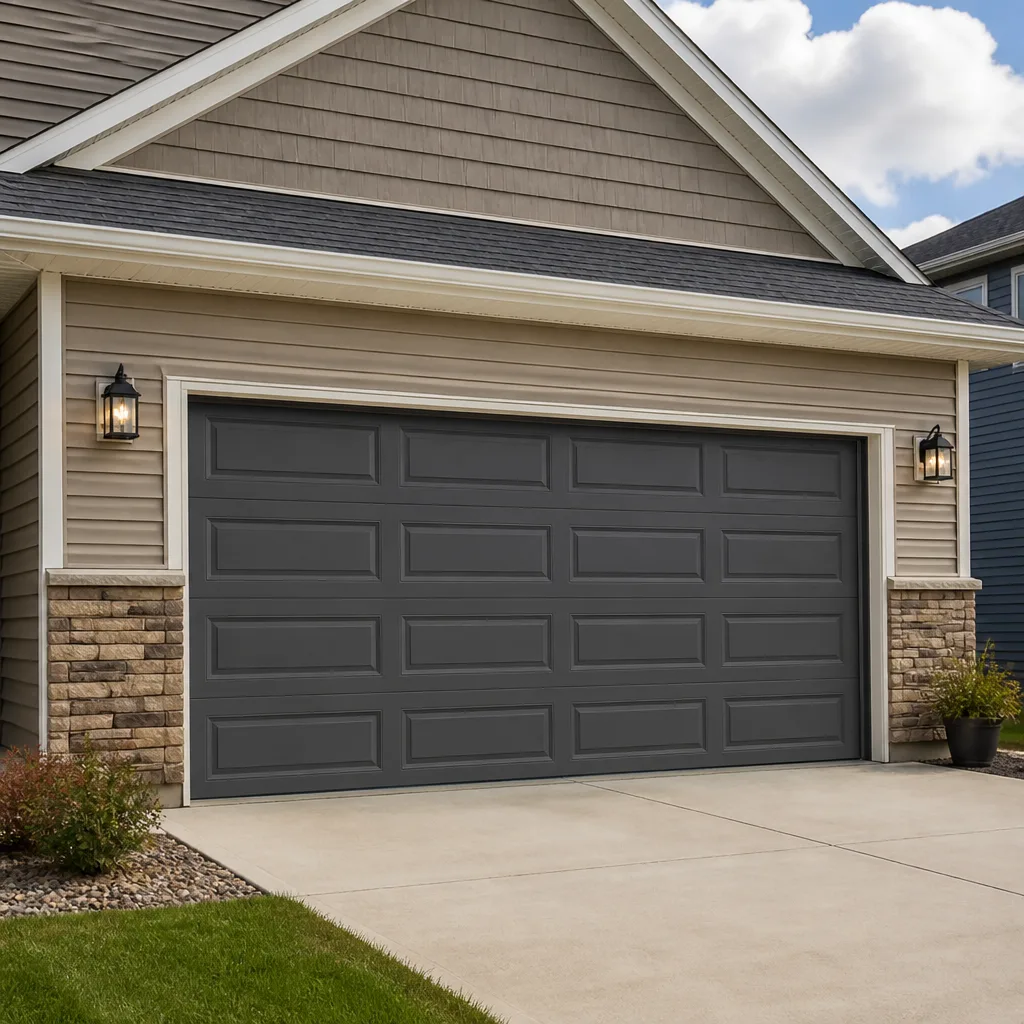 Raised-panel steel
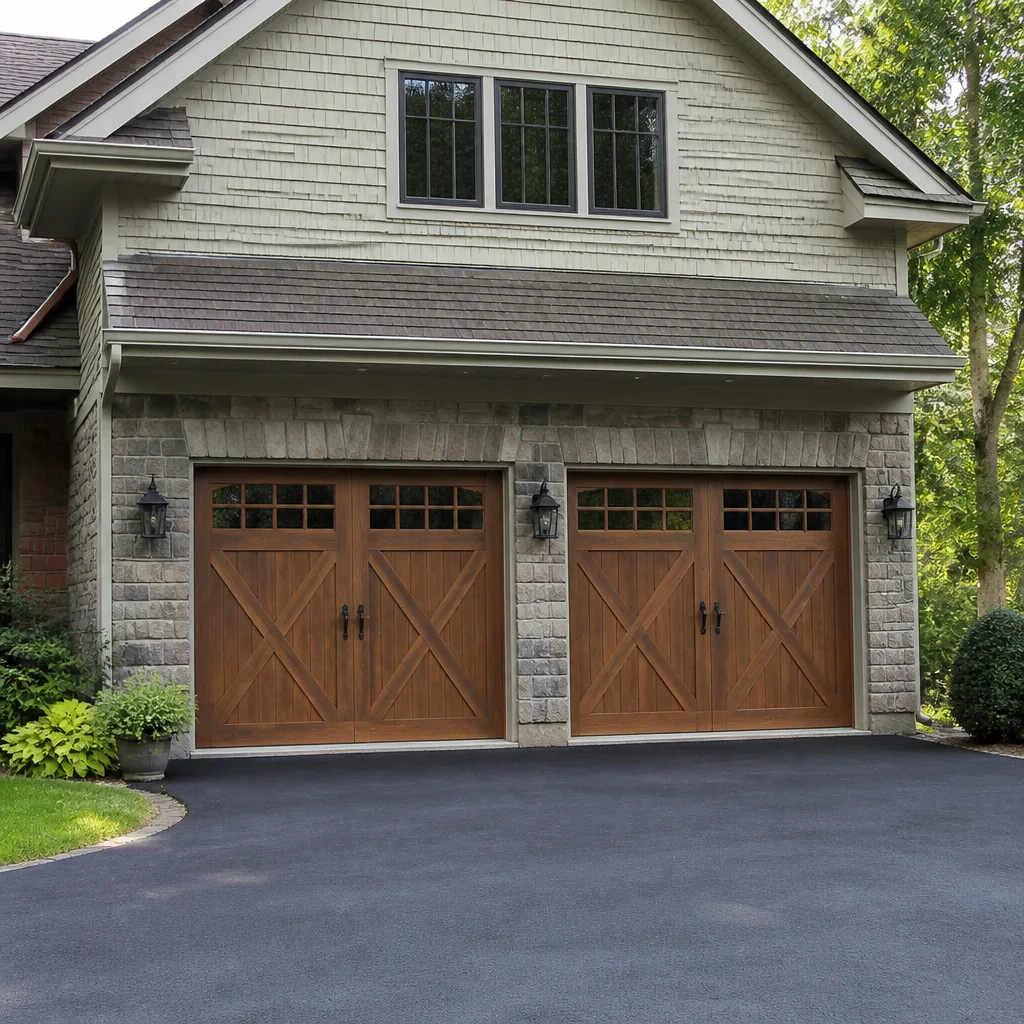 Carriage house
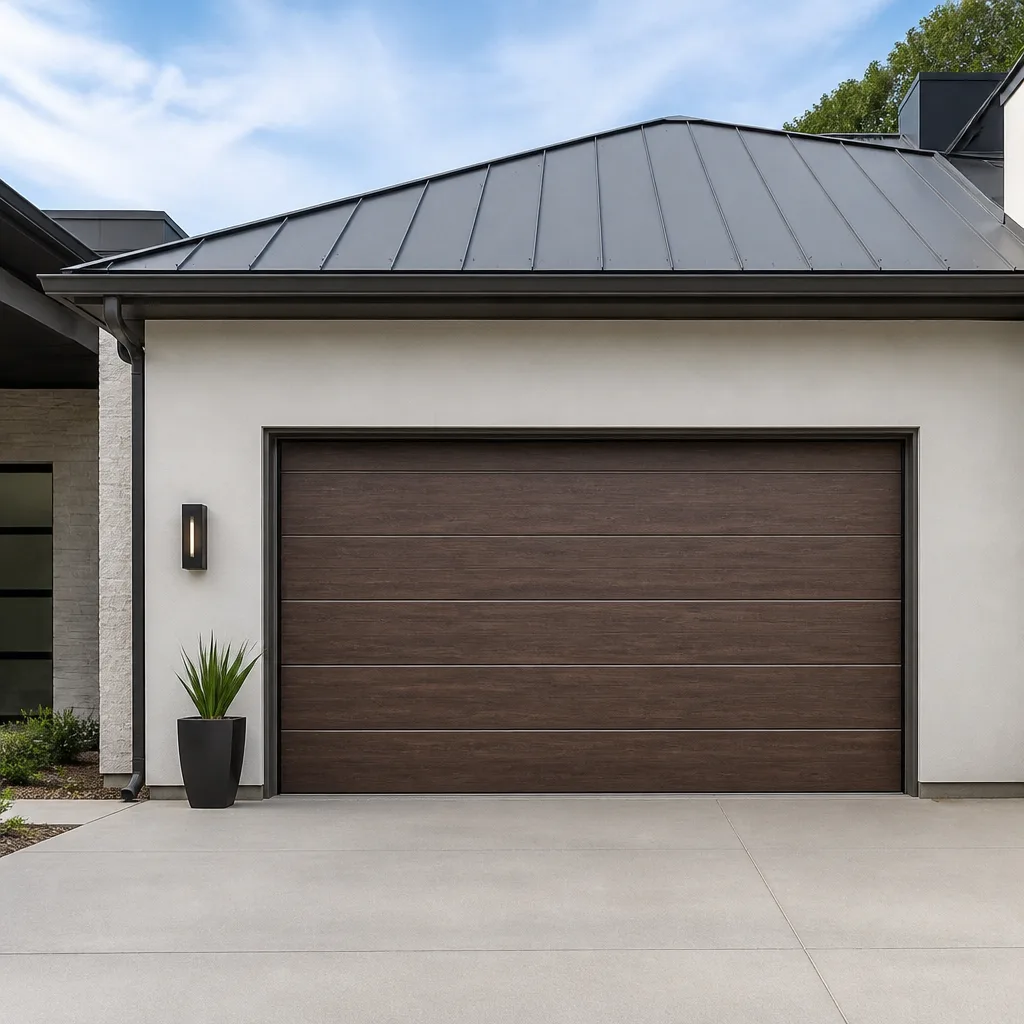 Modern flush
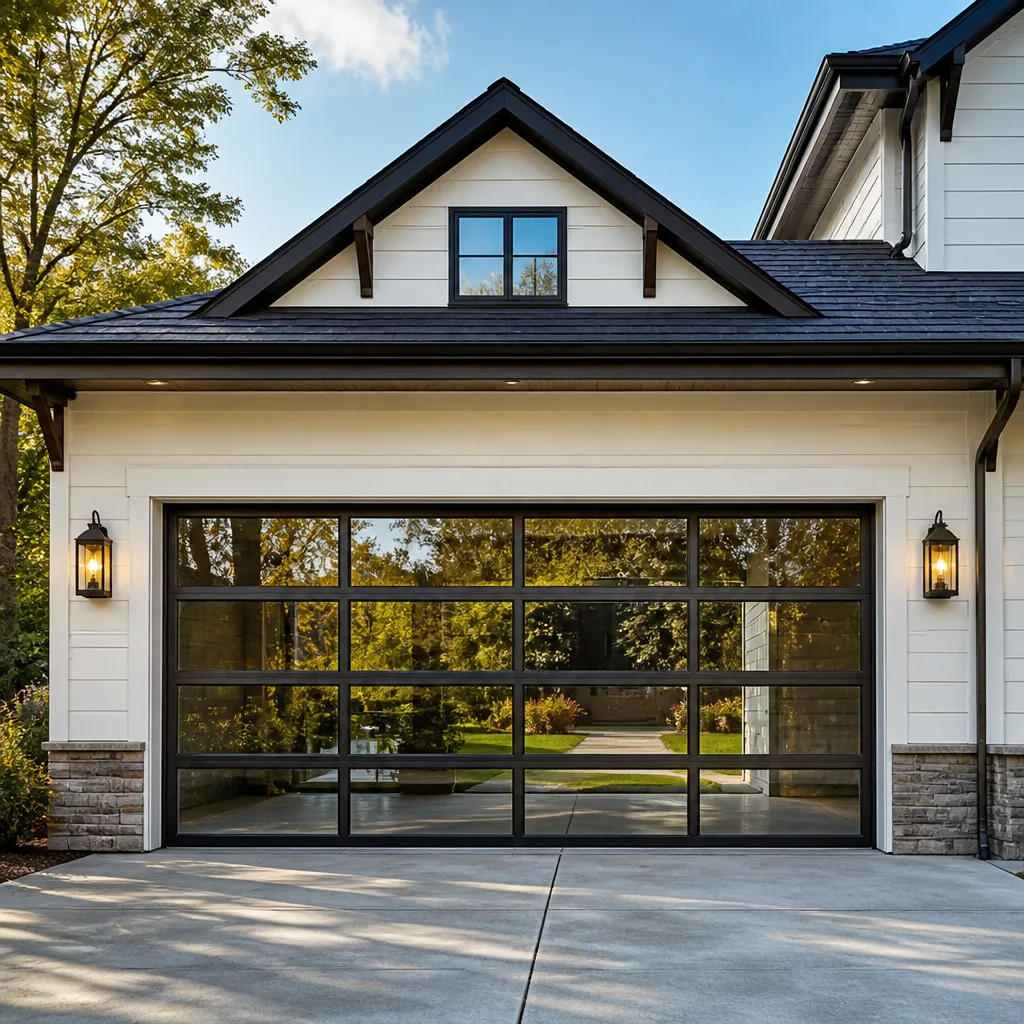 Full-view glass
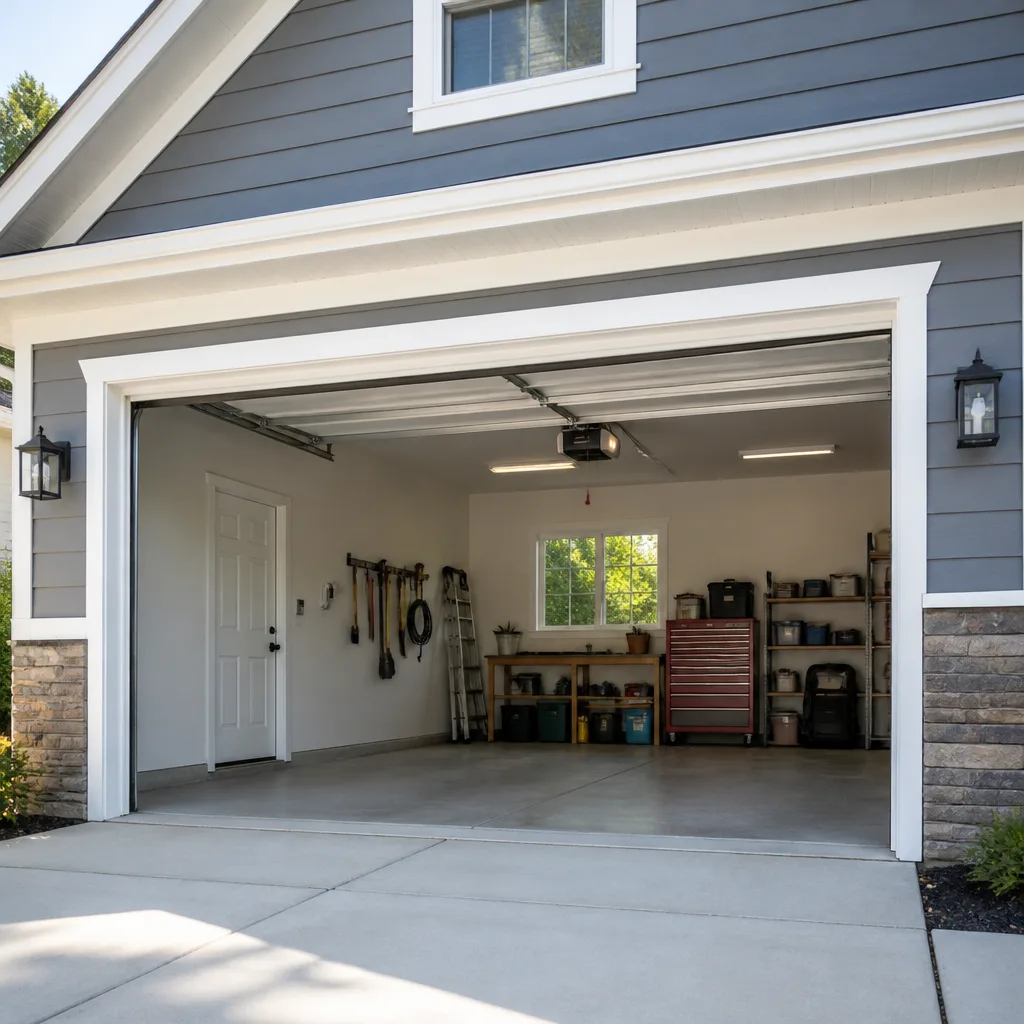 LiftMaster openers
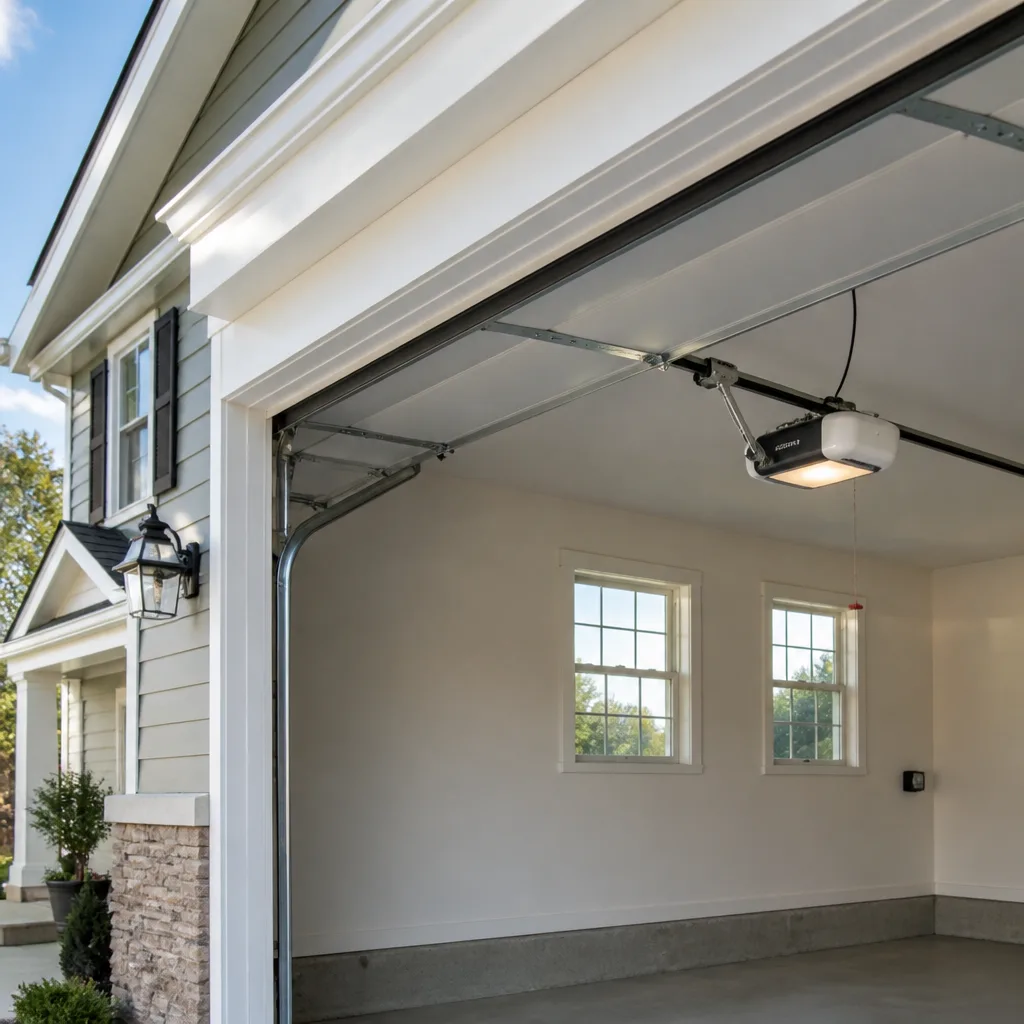 Chamberlain openers
Full 25-point door and opener safety check with every visit - springs, cables, rollers, tracks, and your LiftMaster or Chamberlain opener included
You get a price before we start. It does not change when the pro arrives.
Get your free estimateGarage Door Repair Maintenance Checklist for North Miami Homeowners
Most garage door maintenance advice floating around online was written for a climate that doesn’t exist here. It tells you to lubricate the springs, tighten the bolts, and call it a season. In North Miami, that checklist misses the part that actually breaks first: the bottom seal. Heat and humidity chew through weatherstripping faster than the manufacturer’s timeline predicts, and when that seal goes, it drags on the track, throws the door out of alignment, and gets misdiagnosed as a failing spring. This guide sequences maintenance by failure risk rather than alphabetical convenience, so you spend your effort where North Miami conditions actually do damage.
Styles & brands we work with
- Raised-panel steel
- Carriage house
- Modern flush
- Full-view glass
- LiftMaster openers
- Chamberlain openers
Quick Answer
For a North Miami garage door, the highest-value maintenance tasks are, in order: inspect and replace the bottom weatherstripping seal, clean and lubricate the moving metal parts with a humidity-rated lubricant, test the auto-reverse and photo-eye sensors, and check the springs, cables, rollers, and track for wear. Do the seal and sensor checks monthly, lubricate every few months, and book a professional inspection before June 1 each year.
Table of Contents
- Why North Miami Doors Age Differently
- The Risk-Ranked Maintenance Checklist
- Step 1: The Bottom Seal Comes First
- Step 2: Lubricants That Survive Humidity
- Step 3: Testing Auto-Reverse and Photo-Eye Sensors
- Pre-Hurricane Season Protocol (Before June 1)
- Red-Line Indicators: Stop and Call a Technician
- Monthly, Seasonal, and Annual Task Calendar
- Common Mistakes to Avoid
- When to Call a Professional
- Frequently Asked Questions
- The Bottom Line
Why North Miami Doors Age Differently
A garage door that would last fifteen years in a dry climate can show serious wear in half that time in South Miami-Dade County. The reason isn’t mystery. It’s a combination of year-round warmth, heavy summer humidity, intense ultraviolet light, and the afternoon thunderstorms that roll through from June through November. None of those conditions break a door overnight. They work on it constantly, and they attack soft materials first.
Rubber and vinyl weatherstripping is the obvious casualty. It dries, cracks, and shrinks under UV exposure, then absorbs moisture and swells. A bottom seal that no longer sits flat against the floor lets water, insects, and humid air into the garage. It also creates drag against the track, which stresses the opener and can make a perfectly healthy door behave like a failing one. Homeowners in North Miami often call us convinced they need spring work when the real problem is a $30 seal and a track that needs adjustment.
Metal parts tell a similar story. Steel rollers, hinges, and springs are vulnerable to surface rust when humidity stays high for months. Paint fades on south- and west-facing doors faster than on shaded ones. Wood doors swell at the joints and stick. The takeaway is simple: in North Miami, maintenance has to target moisture, UV, and heat cycling, not snow, ice, or road salt that northern guides obsess over.
We work across the full roster of major brands, including LiftMaster, Chamberlain, Genie, and Raynor, and the failure patterns are consistent across all of them when the local climate is the cause. Brand logic tells you what a component should do. Climate tells you why it’s failing early.
The Risk-Ranked Maintenance Checklist
Here’s the sequence we recommend for North Miami homes, ordered by how soon each component tends to fail and how much damage a failure causes. Work top to bottom. Don’t skip ahead because the later items sound more technical.
- Bottom weatherstripping seal – inspect monthly, expect replacement roughly every two to three years in this climate.
- Photo-eye and auto-reverse sensors – test monthly, clean the lenses more often in summer.
- Rollers – lubricate every three months, replace nylon rollers that have flattened or steel rollers that have rusted.
- Hinges and pivot points – lubricate every three to six months.
- Track alignment – check monthly for dents, debris, and gaps between the roller and the track edge.
- Balance test – once a season, with the opener disconnected.
- Springs and cables – visual inspection only. These are professional territory.
- Opener hardware and safety settings – check every few months, including the force limit and the safety reversal.
- Panel, paint, and frame condition – inspect at the start of storm season and after any major weather event.
This ordering matters because the cheap items at the top protect the expensive items below. A worn seal stresses the opener. A misaligned track chews through rollers. A neglected roller overloads the springs. Each one is a domino. If you want a deeper walkthrough of any single repair, our garage door repair page covers the full range of fixes in detail.
Step 1: The Bottom Seal Comes First
The bottom weatherstripping seal is the single most neglected component on a North Miami garage door, and it’s the one that causes the most misdiagnosed problems. Here’s what to look for when you inspect it:
- Cracks or splits along the sealing edge – even hairline cracks let water in and signal the rubber is breaking down.
- Flattening where the seal meets the floor – a compressed, permanently flat seal no longer blocks air or water.
- Shrinkage at the ends – the seal pulls away from the door edges, leaving a visible gap.
- Visible daylight under a closed door – if you can see light beneath the door, the seal isn’t sealing.
- Sticking or dragging – if the door hesitates or the opener strains near the floor, the seal is binding against the track or threshold.
When the seal fails, the consequences cascade. Moisture gets into the bottom panel and the rollers. The door’s bottom edge drags and skews the track. The opener runs longer on every cycle, which shortens its life. In our experience, homeowners call us about a door that “seems to be failing” and the actual fix is the seal, a track adjustment, and a good cleaning. That’s the kind of repair-first honesty we aim for. Replace the seal as soon as you see cracks or shrinkage; it’s one of the cheapest parts on the entire door.
Step 2: Lubricants That Survive Humidity
What you apply to your garage door in North Miami matters as much as how often you apply it. Petroleum-based lubricants like standard WD-40 act as a magnet for dust and grit in humid air. They attract a sticky film that picks up debris, and that debris grinds between metal parts instead of protecting them. In a climate where humidity stays high most of the year, this turns a maintenance task into an accelerant.
Use these instead:
- Silicone spray – stays slick, doesn’t attract grit, and is ideal for the track and hinges.
- White lithium grease – holds up well on the opener rail and screw-drive mechanisms; use sparingly to avoid attracting grime.
- Garage-door-specific lubricant – many brands make a light, non-gumming formula designed for hinges, rollers, and springs; check the label for humidity tolerance.
Where to apply and where to avoid:
- Yes – hinge pivot points, roller stems, the opener rail or belt, torsion spring coils (professionally applied), and the track where rollers ride.
- No – photo-eye lenses (clean, don’t grease), the weatherstripping itself (use a silicone or rubber dressing), and anything electrical.
Wipe away old dirt and dry residue with a clean rag before applying fresh lubricant. A thin coat does the job. More isn’t better; the excess collects in the Florida humidity and causes the very problem you’re trying to prevent. Opener maintenance and lubrication are covered in more detail on our garage door opener repair page.
Step 3: Testing Auto-Reverse and Photo-Eye Sensors
Your two most important safety features are the photo-eye sensors at the base of the door and the auto-reverse mechanism that sends the door back up when it touches an object. The high-UV environment in North Miami degrades sensor lenses faster than in cooler climates, and lenses that fog or yellow can cause phantom tripping or fail to detect a small child or pet in the door’s path. Test them every month, not every year.
How to test the photo-eye sensors:
- Close the door partway, then press the opener to close it fully.
- While the door is moving down, wave a solid object (a broom handle works) across the sensor beam.
- The door should reverse direction immediately.
- If it doesn’t, check for dirty lenses, obstruction, misalignment between the two sensors, or loose wiring.
How to test the auto-reverse:
- Place a firm object (like a block of wood or a brick) on the floor in the door’s path.
- Press the opener to close the door.
- When the door contacts the object, it should reverse and return to the open position.
- If the door pushes down or stalls, the opener’s force limit needs adjustment or the mechanism needs professional inspection.
If either test fails after cleaning, don’t keep using the door. Have it checked. Safety systems that don’t work turn a routine opener into a serious hazard.
Pre-Hurricane Season Protocol (Before June 1)
Storm season in South Florida runs roughly June through November, and every North Miami homeowner should have the garage door inspected before that window opens, not after a storm has already stressed it. Here’s what to check in the run-up to June 1:
- Test the opener’s safety reversal and photo-eye sensors – both must be working before any storm season.
- Inspect the track for dents, bends, or loose brackets – any of these will let the door shift under wind loading.
- Check the door panels for loose fasteners, dents, or separation – these are the weak points where wind pressure finds a gap.
- Confirm the bottom seal fits flush – a seal that passes water also passes wind pressure.
- Check the balance – disconnect the opener and lift the door halfway. It should stay put. If it falls or rises, the springs need attention.
- Look for rust on hardware – rusted bolts, hinges, and brackets fail before clean ones under load.
Any of those issues you find should be fixed before a storm, not after. A damaged track or a loose panel that seems fine on a calm day is exactly what fails when wind pressure hits. The most important line item here is the balance test. It’s the cheapest way to spot an aging spring, and a broken spring during a storm means a door you can’t secure. For spring-related work, our garage door spring repair page explains what a proper diagnosis looks like.
Red-Line Indicators: Stop and Call a Technician
Some maintenance tasks are fine for a homeowner. Some are genuinely dangerous. Two components on a garage door can cause serious injury if handled wrong: the torsion springs and the tension cables. They store enormous energy. A spring under tension can release without warning and a cable can snap back with force a person can’t react to fast enough. Here’s what should stop your DIY work immediately:
- The door won’t stay in place when lifted halfway with the opener disconnected – spring imbalance.
- Visible gap or break in a spring – stop using the door entirely.
- Cable off its drum, or a frayed or kinked cable – never touch it; call us.
- The door hangs crooked or unrolls unevenly – track or cable problem.
- Loud bang from the garage, then the door won’t open – a spring has likely broken. This is our most common emergency call.
- The opener runs but the door doesn’t move – could be a stripped gear, a snapped cable, or a disengaged trolley; needs a diagnosis.
If you see any of those, don’t run the door. Don’t prop it, don’t force it, and don’t try to remove the spring or cable. From the North Miami heat and humidity standpoint, also watch for rapid rust buildup around the springs and anchor brackets. Rust weakens the metal that’s already holding the most tension on the entire door. If you’re seeing heavy surface rust on the spring assembly, call us for a check. A trained technician will diagnose it, quote the work before starting, and complete it the same day whenever possible.
Monthly, Seasonal, and Annual Task Calendar
The checklist is more useful when it’s on a schedule. Here’s how we’d calendar it for a typical North Miami home:
Monthly
- Inspect the bottom seal for cracks, shrinkage, or daylight.
- Test the photo-eye sensors and the auto-reverse.
- Wipe track debris away (leaves, grit, insects).
- Listen for new noises: grinding, squeaking, or a door that hesitates.
Every Three Months
- Lubricate hinges, rollers, and the opener rail with silicone or white lithium.
- Check rollers for flat spots; replace worn nylon rollers.
- Tighten any loose hinge or bracket bolts, but don’t over-torque.
Twice a Year (and Before June 1)
- Full balance test with the opener disconnected.
- Inspect the springs (visual only) and the cables for wear.
- Check door panels, paint, and frame condition.
- Run the full pre-hurricane protocol.
Once a Year
- Professional inspection. This catches things a homeowner can’t safely see, especially on the spring assembly.
- Review the opener’s force settings and safety limits.
If your door is over ten years old and hasn’t had a professional once-over, that yearly inspection is the single most valuable item on the calendar. If your opener is a newer LiftMaster or Chamberlain unit with battery backup or WiFi, the opener’s own app may log cycles and fault codes – those are worth checking alongside the physical inspection.
Common Mistakes to Avoid
- Skipping the bottom seal. It’s the first thing North Miami’s humidity destroys and the last thing most checklists mention. Replace it as soon as you see cracks, and you’ll prevent track problems, opener strain, and misdiagnosed spring calls.
- Using WD-40 or petroleum-based spray on the track and hinges. It attracts grit and turns into an abrasive paste in humid air. Use silicone or white lithium instead.
- Testing the auto-reverse once when the door is new and then never again. High UV in North Miami degrades sensor lenses rapidly. Test both safety functions monthly. It’s a two-minute check.
- Adjusting the opener’s force limit to compensate for a binding door. Increasing force to push through a sticking track masks the problem, strains the door, and leaves a safety hazard. Fix the door, then re-check the opener.
- Prop or force a door with a broken spring. Running a door on one spring overloads the other, bends the track, and risks the opener. Stop and call. This is what licensed garage door professionals are for, and it’s the most common reason for emergency calls in North Miami.
- Assuming a grinding door needs a new opener. Nine times out of ten it’s a roller, hinge, or track issue. Diagnose before you replace.
- Ignoring the pre-hurricane check. A door that seems fine in April can fail under wind pressure in August. Get the storm-season inspection done before June 1, not after the first warning.
When to Call a Professional
Call us when the maintenance checklist turns up any of these: a broken or sagging spring, a cable that’s off its drum or frayed, a door that hangs crooked or won’t stay put in the balance test, a track that’s visibly bent or dented, or an opener that won’t reverse or won’t move the door. Call us immediately if the door has come off its track or if you hear a loud bang and the door stops working – that’s an emergency, and delaying only makes the repair bigger.
North Miami Garage Door Repair Pros offers free estimates in North Miami – call (888) 399-4139. We quote the price before any work starts, so the cost you agree to is the cost of the job. Our technicians have up to 15 years of experience, we work on the brands you already have, and our North Miami Garage Door Repair Pros team is available for same-day and emergency service when something has already failed.
Frequently Asked Questions
Monthly for the seal and safety sensors, every three months for lubrication, and once a year for a professional inspection. The North Miami climate makes the seal and the sensor checks more urgent than they’d be in a drier region, so don’t stretch those to a yearly schedule. Call (888) 399-4139 if you’re not sure your door is up to date on any of them.
Heat and humidity break down rubber and vinyl weatherstripping faster than manufacturer timelines assume, and UV exposure speeds up cracking and shrinkage. Expect to replace the bottom seal every two to three years in this climate, sometimes sooner on a west-facing door. Call us for a free measurement and quote if yours is due.
Light lubrication with a garage-door-specific product is fine, but adjusting, removing, or repairing a spring is not a DIY job. Torsion springs store enough energy to cause serious injury, and a single mistake can be catastrophic. Leave spring work to a trained technician, and call (888) 399-4139 with any concerns about the spring assembly.
In most cases, yes. We offer same-day and emergency service across North Miami for doors that are stuck open, stuck closed, off track, or running on a broken spring. Call (888) 399-4139 and we’ll give you the soonest available window and a price before we start.
No. We diagnose the problem, quote a price, and get your agreement before any work starts. If we find something additional that genuinely needs doing, we’ll tell you and quote it separately. The written estimate sets the final price, and no surprise invoices show up afterward. Call (888) 399-4139 for a free estimate.
The local professionals we connect you with are licensed and insured as Florida requires. We work across the full list of major brands, including LiftMaster, Chamberlain, Genie, and Raynor, and we diagnose by brand and by system rather than guessing. Call (888) 399-4139 to confirm details for your door.
The Bottom Line
In North Miami, garage door maintenance is really about moisture and heat, not the snow-and-ice routine most checklists are written for. Start with the bottom seal, because it’s the first part to fail and the cause of most misdiagnosed problems. Keep silicone or white lithium on the moving parts and skip petroleum-based sprays. Test the photo eyes and auto-reverse monthly. Get the pre-hurricane inspection done before June 1, and stop DIY work the moment you see a broken spring, a bad cable, or a crooked door. A shared schedule for repair, opener service, spring work, and installation, all from one specialist, is what keeps a North Miami door reliable through the season.
If anything on this checklist needs a professional eye, North Miami Garage Door Repair Pros is ready. Our technicians have up to 15 years of experience, we work on your brand, and we quote the price before any work starts. Call (888) 399-4139 for a free estimate – same-day and emergency service is available when your door is already down.
Written by the team at North Miami Garage Door Repair Pros.
See the difference
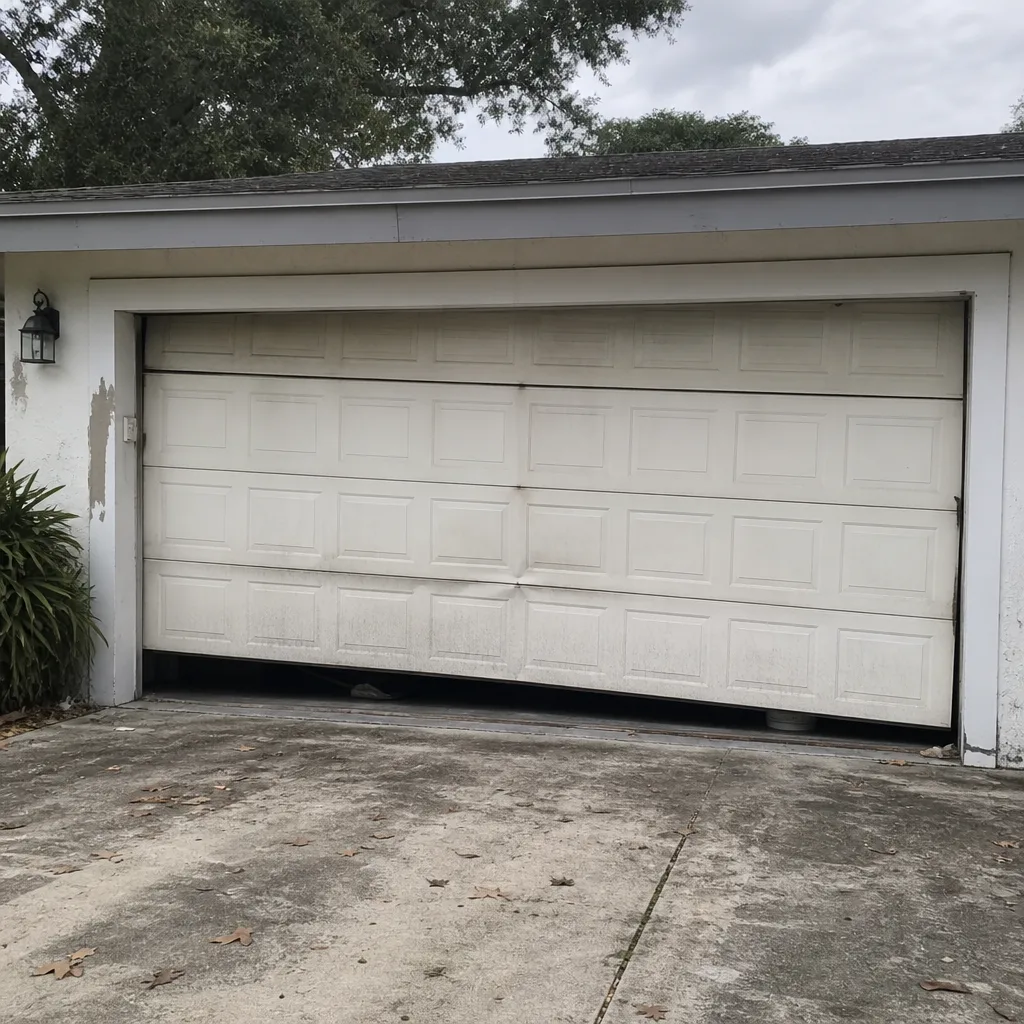 Before
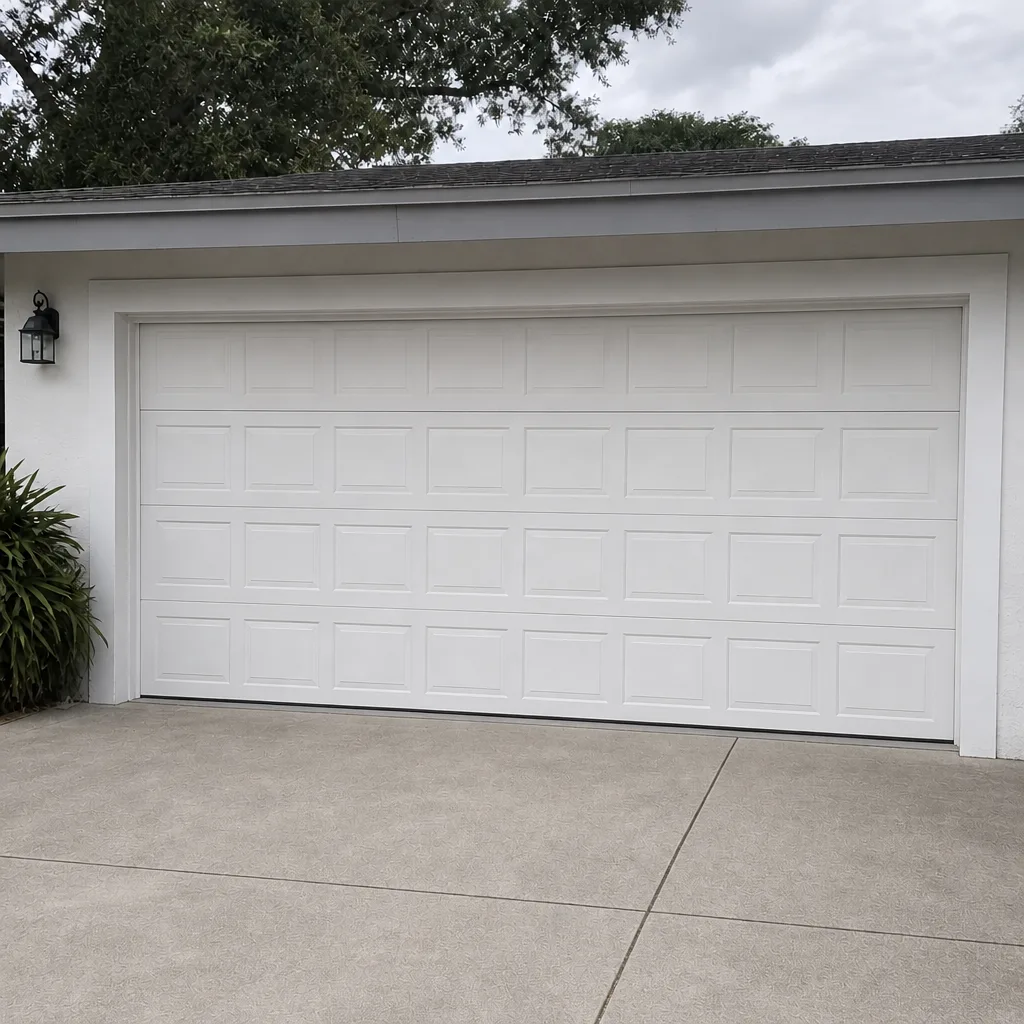 After
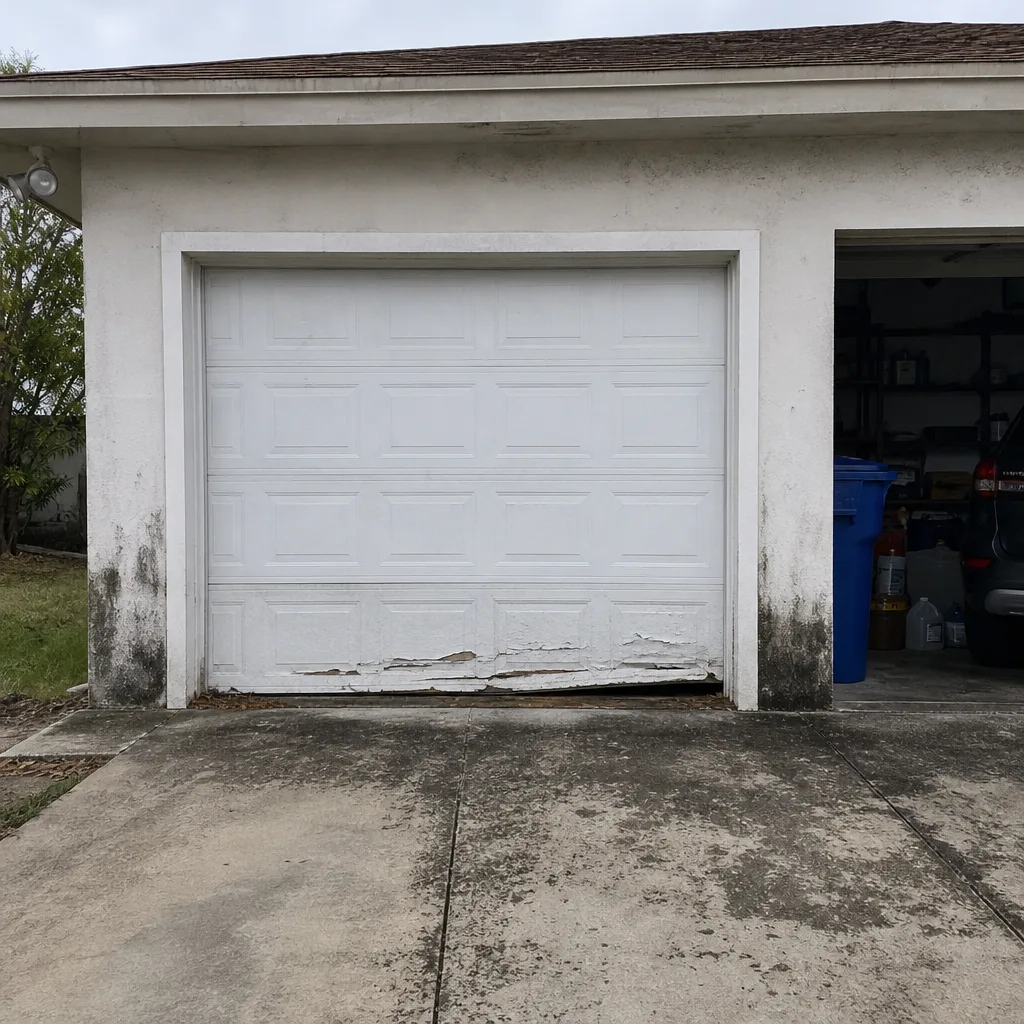 Before
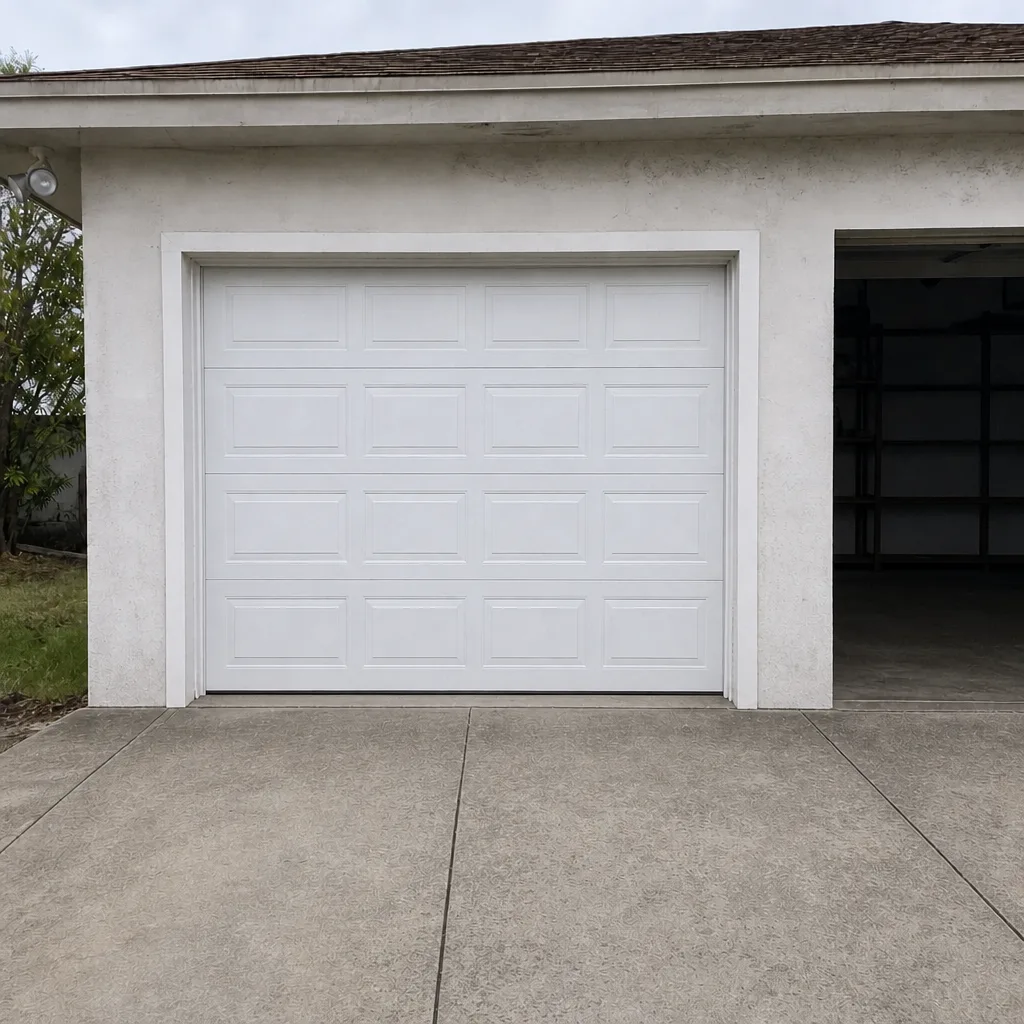 After
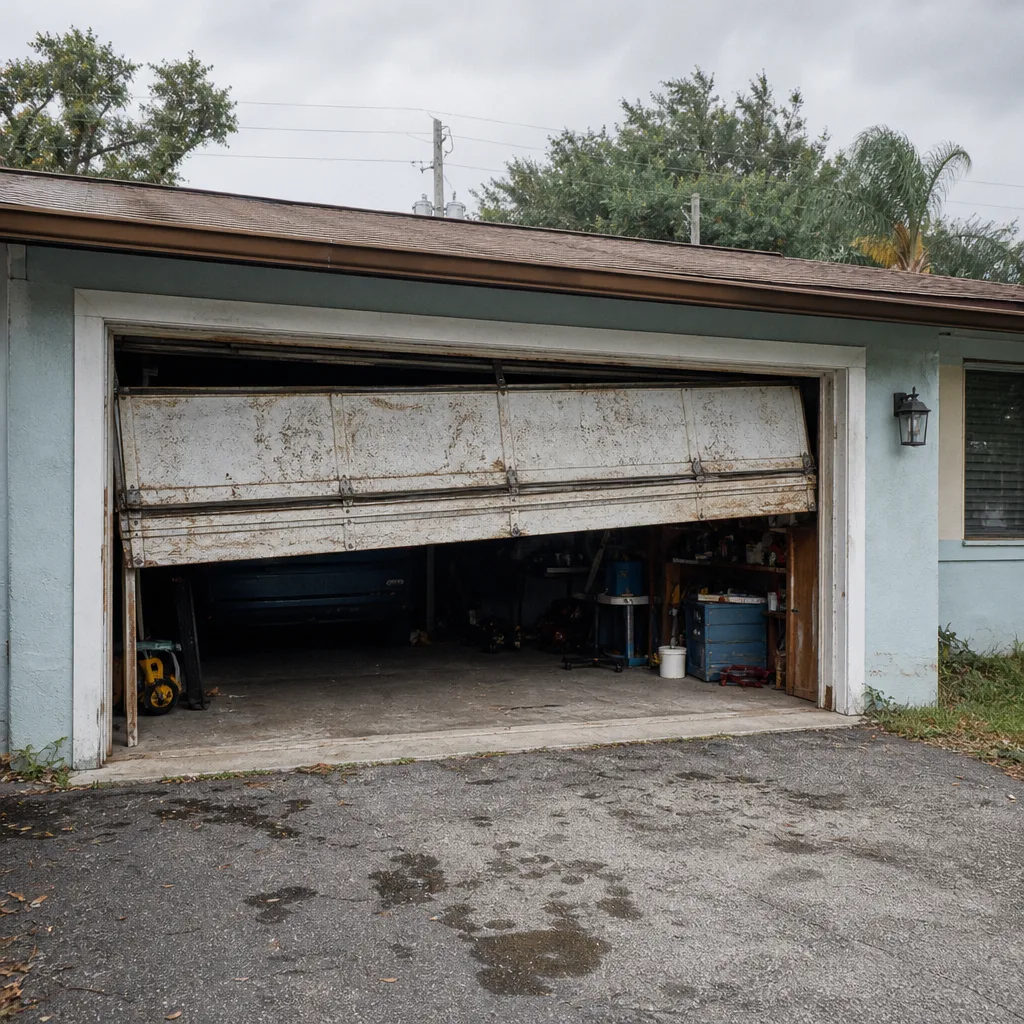 Before
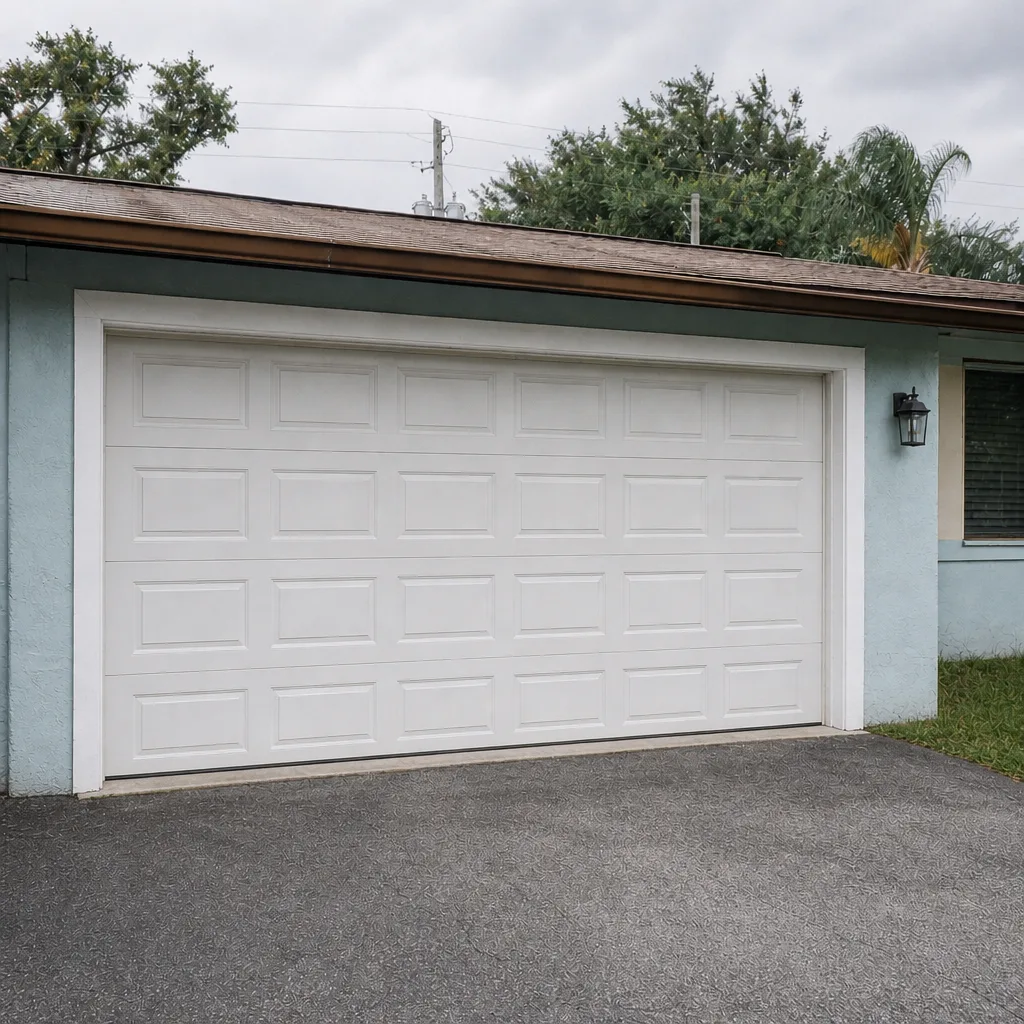 After